
The ingredients
Every active, and the science behind it.
Everything inside MoveOn and LiveOn, broken down to the individual compound. Tap any card for the science, the benefits, and the studies.
Choose your formula
Two products, every active broken down to the compound.
MoveOn
For how you move
5 active ingredients · 11 compounds
Three patented hero actives, broken down to every native compound, plus two extras dosed to matter. Five hero ingredients, eleven active compounds. Tap any card for the full science.
- The patented hero actives
-
UC-II® (Undenatured Type II Collagen)
40 mg
Undenatured Type II Collagen
UC-II® calms the friendly-fire your own immune system aims at your joint cartilage. Kept in its natural triple-helix shape, a tiny 40 mg dose works through oral tolerance to teach immune cells to stop treating cartilage as a threat, easing the slow wear that stiffens and aches joints. In head-to-head trials it outperformed the old glucosamine-and-chondroitin standby.
- 33% better joint scores than glucosamine + chondroitin
- 🇺🇸 USA

UC-II® (Undenatured Type II Collagen)
Undenatured Type II Collagen
- 40 mg
- 🇺🇸 USA
- 33% better joint scores than glucosamine + chondroitin
What it is
UC-II® is undenatured type II collagen, a whole collagen protein kept in its original coiled triple-helix shape, the same form found in your own joint cartilage. It is made in the USA by Lonza and standardized to a precise 40 mg daily dose. "Undenatured" is the key word: most collagen is processed with heat that unwinds the helix, but UC-II is kept intact so the immune system can recognize its shape.
How it works
Because UC-II® stays undenatured, a small 40 mg dose survives the journey through the gut and reaches immune tissue in the small intestine called Peyer's patches. There the intact triple-helix is sampled by immune cells, which triggers a process called oral tolerance, the same way the body learns not to overreact to harmless food proteins. This trains regulatory T cells to recognize type II collagen as "self" rather than as a threat. The signal then travels to the joints, where it dials down the inflammatory friendly-fire (including pathways involving IL-17 and IL-22) that breaks cartilage down faster than the body can rebuild it.
For your joints
This is where UC-II® shines. By calming the immune attack on cartilage, it eases joint pain, stiffness and loss of physical function, and in trials it improved how far the knee could comfortably bend and how long people could move before discomfort set in. In a direct head-to-head study it beat glucosamine plus chondroitin, cutting joint scores by 33% versus 14% and pain by 40% versus 15.4%.
Beyond the joint
Because UC-II® works by retraining immune tolerance in the gut rather than just masking symptoms, its benefits start at the gut-immune interface. The same oral-tolerance pathway it uses helps keep the immune system from overreacting, and preclinical work showed it preserved gut integrity while reducing inflammatory signaling. A calmer, better-regulated immune response is something the whole body draws on, not only the joints.
Features
- Patented undenatured type II collagen
- Triple-helix shape kept intact, matching your own cartilage
- Clinically studied 40 mg once-daily dose
- Works at a tiny dose through oral tolerance, not brute force
- Made in the USA by Lonza
- Beat glucosamine + chondroitin head-to-head
The clinical evidence
- RCT · 191 people · 180 daysAt 40 mg a day, UC-II lowered total WOMAC joint scores more than both placebo and glucosamine plus chondroitin, with gains in pain, stiffness and physical function.Lugo et al., 2016, Nutrition Journal. PMID 26822714.
- RCT · head-to-head · 90 daysUC-II cut WOMAC scores by 33% versus 14% for glucosamine plus chondroitin, and VAS pain by 40% versus 15.4%, plus a 20.1% gain on the Lequesne functional index.Crowley et al., 2009, International Journal of Medical Sciences. PMID 19847319.
- RCT · 55 people · 120 daysIn healthy volunteers with knee discomfort on exertion, 40 mg/day UC-II significantly improved average knee extension (81.0 vs 73.2 degrees) and let subjects exercise longer before joint discomfort.Lugo et al., 2013, Journal of the International Society of Sports Nutrition. PMID 24153020.
- Preclinical · oral-tolerance modelProphylactic oral undenatured type II collagen cut collagen-induced arthritis incidence to 50% in mice, with reduced joint IL-17/IL-22 and preserved gut integrity, supporting the gut-joint oral-tolerance pathway.Pan et al., 2024, Communications Biology. PMID 38961129.
-

Ovomet® (Eggshell Membrane)
500 mg
Eggshell Membrane
Ovomet® gives your cartilage the exact raw materials it is built from, in one ready-made matrix. It is the thin membrane just inside an eggshell, separated using only water and force, so it arrives carrying the same collagen, elastin, hyaluronic acid, and glucosamine your joints are made of. Inside the joint it both supplies those building blocks and signals your body to start rebuilding.
- Knee stiffness improved up to 26.6% by day 60 (RCT, 500 mg/day)
- 🇪🇸 Spain
Ovomet® (Eggshell Membrane)
Eggshell Membrane
- 500 mg
- 🇪🇸 Spain
- Knee stiffness improved up to 26.6% by day 60 (RCT, 500 mg/day)
What it is
Ovomet® is whole eggshell membrane, the paper-thin layer found just inside an eggshell between the shell and the egg white. It is made in Spain by Eggnovo using only water and mechanical force, with no chemicals, which keeps its natural matrix intact. That matrix carries the same building blocks your joint cartilage is made of, including collagen, elastin, hyaluronic acid, and glucosamine, already assembled together rather than added one by one. MoveOn uses a 500 mg daily dose.
How it works
Eggshell membrane works on two fronts at once. First, it delivers the literal raw materials of cartilage, collagen, elastin, hyaluronic acid, and glucosamine, in the ready-made matrix your body already recognizes, so the supplies are on hand. Second, it acts as a signal inside the joint, helping switch on cartilage-building genes while quieting the enzymes and inflammatory pathways that break cartilage down. You can see this shift in the blood: in clinical trials it lowered CTX-II, a marker of cartilage breakdown, by 17.2% within the first week. The result is both the parts and the green light your body needs to maintain and rebuild joint tissue.
For your joints
This is the core of what MoveOn is for. In controlled trials, a single 500 mg dose a day eased knee osteoarthritis pain and improved stiffness by up to 26.6% by day 60, and in active adults it cut exercise-related joint pain within a day and stiffness within five days. Because it lowers the CTX-II cartilage-breakdown marker, it is not only soothing the joint but slowing the wear itself, giving your cartilage room to recover.
Beyond the joint
Beyond the knee, eggshell membrane supports connective tissue throughout the body. The same collagen, elastin, and hyaluronic acid it supplies are the building blocks of skin, tendons, and ligaments, so it backs the structures that keep you moving and resilient overall. Its calming effect on cartilage-breakdown enzymes reflects a broader steadying of the inflammatory pathways tied to everyday wear, and faster recovery from exercise-related stiffness means it helps you stay active, which feeds whole-body health.
Features
- Patented whole eggshell membrane (Ovomet®)
- Made in Spain by Eggnovo using only water and force, no chemicals
- One ready-made matrix of collagen, elastin, hyaluronic acid, and glucosamine
- 500 mg clinically studied daily dose
- Backed by multiple human RCTs
- Lowers the CTX-II cartilage-breakdown marker
The clinical evidence
- RCT · 67 people · 60 daysOne 500 mg dose a day eased knee osteoarthritis pain (15.9% better than placebo by day 10) and stiffness (up to 26.6% by day 60), with more patients meeting OMERACT-OARSI response criteria.Ruff et al., 2009, Clinical Rheumatology. PMID 19340512.
- RCT · 60 people · 1 week500 mg a day lowered the cartilage-breakdown marker CTX-II by 17.2% in the first week (and 9.9% at week 2) and sped recovery from exercise-related joint pain and stiffness.Ruff et al., 2018, Clinical Interventions in Aging. PMID 29497287.
- RCT · 150 people · 12 weeks300 mg/day eggshell membrane significantly improved KOOS Pain and Daily Life function versus placebo, with benefit appearing within a week, peaking around week 3 and persisting to 12 weeks.Kiers & Bult, 2021, Journal of Medicinal Food. PMID 32633648.
- RCT · 85 peopleIn healthy adults on an exercise regimen, 500 mg/day eggshell membrane rapidly improved exercise-induced joint pain (by day 1) and stiffness (by day 5) versus placebo, with a reduction in CTX-II cartilage turnover.Ruff et al., 2024, International Journal of Physical Medicine & Rehabilitation (non-PubMed-indexed).
- Pilot · 18 people · 30 daysShort-term Ovomet eggshell membrane (300 mg/day) produced a significant decrease in joint pain from day 3 onward, falling about 52% by day 30 while placebo showed no significant change.Gil-Quintana et al., 2018, Journal of Osteoporosis and Physical Activity (non-PubMed-indexed).
-

BonePep®
100 mg
Hydrolyzed Egg-Yolk Peptide
BonePep® is a hydrolyzed egg-yolk peptide that targets the bone your joints sit on. It signals your bone-building cells, the osteoblasts, to get back to work, helping them multiply, lay down fresh collagen, and deposit calcium while slowing the breakdown that thins density with age. The result is a stronger foundation underneath the cartilage that lets your joints move well.
- 100 mg/day cut bone-breakdown markers in a 6-month human trial
- 🇯🇵 Japan

BonePep®
Hydrolyzed Egg-Yolk Peptide
- 100 mg
- 🇯🇵 Japan
- 100 mg/day cut bone-breakdown markers in a 6-month human trial
What it is
BonePep® is a peptide ingredient made by gently breaking down egg-yolk protein into smaller, easy-to-absorb pieces through enzyme hydrolysis. It is patented and produced in Japan by Pharma Foods International. Because the protein is already pre-digested into short peptides, your body can take it up and put it to use at a small daily dose of 100 mg.
How it works
Bone is living tissue that is constantly torn down by cells called osteoclasts and rebuilt by cells called osteoblasts, and density depends on keeping those two in balance. BonePep® tips that balance toward building. It activates the Wnt and beta-catenin signaling pathway, raising Wnt3a, LRP5, RUNX2 and OPG, which tells osteoblasts to multiply and mature. In human bone cells it also fires the ERK1/2 and p38 MAPK pathways and switches on osteogenic genes, driving up alkaline phosphatase, collagen synthesis and calcium deposition. At the same time it lowers markers of bone resorption, easing off the breakdown side so more of the bone you build stays put.
For your joints
Your joints rest on a layer of bone beneath the cartilage, and when that bone weakens the whole joint loses its support. BonePep® reinforces that foundation by waking up the osteoblasts that build it, helping them deposit collagen and calcium where they are needed. A denser, stronger bone bed under the joint is what lets the cartilage above keep doing its cushioning job.
Beyond the joint
Bone density is a whole-skeleton concern, not just a joint one, and the same peptide that supports the bone under your joints supports your hips, spine and frame too. By lowering bone-breakdown markers and feeding the build side, BonePep® helps preserve overall skeletal density that naturally thins with age, an effect seen most clearly in perimenopausal women when bone loss tends to accelerate. Stronger bone across the body underpins better structure, posture and physical resilience as you age.
Features
- Patented hydrolyzed egg-yolk peptide
- Made in Japan by Pharma Foods International
- Clinically studied 100 mg daily dose
- Pre-digested peptides for easy absorption
- Works through the Wnt/beta-catenin bone-building pathway
- Both builds bone and slows breakdown
The clinical evidence
- RCT · 65 women · 6 monthsIn perimenopausal women, 100 mg per day significantly lowered markers of bone breakdown, pointing to an antiresorptive, bone-preserving effect.Abdou et al., 2014, Food Science & Nutrition. PMID 24936288.
- Lab study · human osteoblastsEgg-yolk peptide dose-dependently boosted bone-cell growth, alkaline phosphatase, collagen synthesis and calcium deposition, and switched on osteogenic genes via ERK1/2 and p38 MAPK signaling.Kim et al., 2014, Molecules. DOI 10.3390/molecules190912909.
- Preclinical · ovariectomized ratsHydrolyzed egg-yolk peptide improved bone mineral density, microstructure and strength and raised Wnt3a, beta-catenin, LRP5, RUNX2 and OPG, preventing bone loss through the Wnt/beta-catenin pathway.Chen et al., 2024, Scientific Reports. PMID 38702443.
- Preclinical · mouse skeletal repairOrally administrable egg-yolk peptides promoted bone formation, accelerated fracture healing, improved bone strength under ovariectomy-induced osteoporosis and helped in an osteogenesis imperfecta model.Kitaura et al., 2022, Regenerative Therapy. PMID 36475024.
- What's inside Ovomet®
-

Type I Collagen
clinical dose
The main structural collagen
Type I is the most abundant collagen in your body and by far the predominant one in Ovomet® eggshell membrane. It is the rope-like protein that gives tendons, ligaments, skin and bone their tensile strength, so it is core structural substrate for the whole joint.
- The body's most abundant collagen
- 🇪🇸 inside Ovomet®

Type I Collagen
The main structural collagen
- clinical dose
- 🇪🇸 inside Ovomet®
- The body's most abundant collagen
What it is
Type I collagen is the strong, fibre-forming collagen that makes up the bulk of tendons, ligaments, skin and bone. In Ovomet® it is the predominant collagen, present in roughly a 100-to-1 ratio over Type V.
How it works
Type I collagen molecules assemble into thick, rope-like fibrils that resist pulling forces, which is how tendons and ligaments carry load without tearing. Eaten as part of Ovomet®'s native membrane, it is digested into amino acids and collagen peptides the body uses as raw material wherever connective tissue is maintained. It is substrate, not a drug, so think of it as supplying the building blocks for the tissues that hold a joint together.
For your joints
For your joints, Type I collagen is the tensile backbone of the tendons and ligaments that stabilise every joint, plus the organic framework of bone. Supplying it as substrate supports the connective tissue that keeps joints strong and aligned under load.
Beyond the joint
Beyond the joint, Type I collagen is the main collagen in skin, where it supports firmness and elasticity, and in bone, where it forms the scaffold that mineral hardens onto.
Features
- The most abundant collagen in the body
- Predominant collagen in Ovomet® (about 100:1 over Type V)
- Gives tendons and ligaments tensile strength
- Forms the organic scaffold of bone
- Native to the membrane, not added in
-

Type V Collagen
clinical dose
The fibril organiser
Type V is a minor collagen with an outsized job: it sets the diameter and order of the big Type I fibres. Without it, the structural collagen cannot form properly, so it is quietly essential to healthy connective tissue.
- Sets the shape of Type I fibres
- 🇪🇸 inside Ovomet®
Type V Collagen
The fibril organiser
- clinical dose
- 🇪🇸 inside Ovomet®
- Sets the shape of Type I fibres
What it is
Type V collagen is a minor, regulatory collagen present in Ovomet® eggshell membrane alongside the dominant Type I. It sits in the core of collagen fibrils throughout the body.
How it works
Type V acts as a template inside forming collagen fibrils, controlling how thick the Type I fibres grow and how neatly they line up. Getting that geometry right is what gives connective tissue its proper strength and structure. As part of Ovomet®'s native matrix it contributes the same regulatory collagen the body uses to build well-ordered tissue.
For your joints
For your joints, Type V helps the structural Type I collagen in tendons, ligaments and the joint capsule assemble into well-organised, strong fibres rather than a disordered mesh, supporting the integrity of the tissues around the joint.
Beyond the joint
Beyond the joint, Type V collagen is part of the scaffolding in skin, cornea and blood vessels, where the same fibril-organising role keeps tissue properly structured.
Features
- A minor but essential regulatory collagen
- Controls the diameter and order of Type I fibres
- Present natively in Ovomet® eggshell membrane
- Important for well-structured connective tissue
- Works hand in hand with Type I
-

Type X Collagen
clinical dose
The mineralisation collagen
Type X is a specialised collagen tied to the zone where cartilage turns into bone. Native to both layers of the eggshell membrane, it rounds out Ovomet®'s collagen profile with one linked to healthy bone and cartilage transitions.
- Linked to the cartilage-to-bone zone
- 🇪🇸 inside Ovomet®

Type X Collagen
The mineralisation collagen
- clinical dose
- 🇪🇸 inside Ovomet®
- Linked to the cartilage-to-bone zone
What it is
Type X collagen is a short-chain, network-forming collagen native to both layers of the eggshell membrane. In the body it appears in the growth plate and the calcifying zone of cartilage, where cartilage is converted into bone.
How it works
Type X forms a fine hexagonal network rather than thick ropes, and it shows up specifically in the region where cartilage mineralises into bone, helping organise that transition. Delivered in Ovomet®'s native matrix, it adds a collagen the body associates with the cartilage-bone interface to the substrate pool.
For your joints
For your joints, Type X is the collagen of the zone where cartilage meets bone, the deep layer that anchors articular cartilage to the bone beneath it. Including it gives the formula a collagen tied to that critical cartilage-to-bone foundation.
Beyond the joint
Beyond the joint, Type X collagen is part of normal bone growth and remodelling at the growth plate, the region responsible for how bones lengthen and mature.
Features
- A specialised network-forming collagen
- Native to both layers of the eggshell membrane
- Associated with the cartilage-to-bone (calcifying) zone
- Forms a fine hexagonal mesh, not thick fibres
- Completes Ovomet®'s I / V / X collagen profile
-

Elastin
clinical dose
Native elastin protein
Elastin is the stretch protein that lets connective tissue spring back instead of staying stiff. It sits in its native form inside the Ovomet® eggshell membrane, right alongside collagen and the other building blocks of the joint matrix. As the body makes fresh elastin more slowly with age, supplying it native helps connective tissue stay supple and resilient.
- Knee stiffness eased up to 26.6% by day 60
- 🇪🇸 inside Ovomet®

Elastin
Native elastin protein
- clinical dose
- 🇪🇸 inside Ovomet®
- Knee stiffness eased up to 26.6% by day 60
What it is
Elastin is a structural protein and a native component of the Ovomet® eggshell membrane sourced in Spain. It belongs to the same family of scaffolding proteins as collagen, but its job is the opposite of stiffness: it gives connective tissue the ability to stretch and recoil. Inside Ovomet it stays in its intact, native form rather than being broken down or synthesized separately.
How it works
Elastin works like a molecular spring. Its protein chains are cross-linked into a flexible network that lets tissue deform under load and then snap back to its original shape, instead of holding the stretch. It sits within the connective tissue matrix beside collagen and other fibers, where collagen resists pulling and elastin restores the recoil. The body lays down most of its elastin early in life and produces fresh elastin more slowly with age, so this network tends to fragment and tissue stiffens over time. Supplying native elastin from the eggshell membrane offers the matrix structural building support to help maintain that stretch-and-return behavior.
For your joints
In and around the joint, elastin is part of what lets connective tissue and the cartilage matrix flex and rebound rather than stay rigid. As a native component of the 500 mg per day Ovomet® eggshell membrane, it contributed to eased knee osteoarthritis pain (15.9% better than placebo by day 10) and reduced stiffness (up to 26.6% by day 60), and it helped lower the cartilage-breakdown marker CTX-II by 17.2% in the first week. That points to support for both how the joint feels and the matrix it relies on.
Beyond the joint
Elastin is the same recoil protein woven through skin, blood vessel walls, lungs, ligaments, and tendons, so the connective tissue that benefits is not limited to the knee. Anywhere tissue needs to stretch and return, elastin is part of the architecture that makes that possible. Keeping the body supplied with this native building support is about whole-body suppleness and resilience, not joints alone.
Features
- Native elastin, kept in its intact form inside Ovomet®
- The stretch protein: lets tissue recoil instead of staying stiff
- Single origin: eggshell membrane sourced in Spain
- Part of the same scaffolding family as collagen
- Delivered within the clinically studied 500 mg/day Ovomet® matrix
- Supports connective tissue body-wide, not just the joint
The clinical evidence
- RCT · 67 people · 60 daysAs a native component of the 500 mg/day Ovomet eggshell membrane, it contributed to eased knee osteoarthritis pain (15.9% better than placebo by day 10) and stiffness (up to 26.6% by day 60).Ruff et al., 2009, Clinical Rheumatology. PMID 19340512.
- RCT · 60 people · 1 weekWithin the 500 mg/day eggshell membrane matrix, it helped lower the cartilage-breakdown marker CTX-II by 17.2% in the first week and sped recovery from exercise-induced joint pain.Ruff et al., 2018, Clinical Interventions in Aging. PMID 29497287.
-

Hyaluronic Acid
clinical dose
Native hyaluronic acid
Hyaluronic acid is the water-loving molecule that makes synovial fluid thick and slippery, so your joints glide instead of grind. In MoveOn it arrives native, already built into the Ovomet® eggshell membrane matrix rather than added in afterward. By holding water and adding cushion, it supports the smooth, comfortable motion your joints depend on every day.
- Native to the clinically studied Ovomet® matrix
- 🇪🇸 inside Ovomet®

Hyaluronic Acid
Native hyaluronic acid
- clinical dose
- 🇪🇸 inside Ovomet®
- Native to the clinically studied Ovomet® matrix
What it is
Hyaluronic acid is a long chain sugar molecule (a glycosaminoglycan) that your body makes on its own and concentrates in skin, eyes, and the fluid inside your joints. It is famous for one thing: it holds a remarkable amount of water relative to its size. In MoveOn it is not a separate added powder. It comes native, already woven into the Ovomet® eggshell membrane sourced in Spain, sitting alongside the same family of materials that pad and protect cartilage.
How it works
Hyaluronic acid works by binding and trapping water, forming a thick, gel-like fluid. In the joint it is a core building block of synovial fluid, the liquid that fills the space between bones. That fluid does two jobs at once: it lubricates the surfaces so they slide past each other with low friction, and it acts as a shock absorber that spreads load during impact. The water it holds also helps keep the surrounding cartilage matrix hydrated and resilient. Because it arrives native inside the Ovomet® membrane, it is delivered together with collagen, elastin, and other glycosaminoglycans in their natural arrangement.
For your joints
This is hyaluronic acid's home turf. By holding water and adding glide to synovial fluid, it helps keep joints lubricated and cushioned for smooth, comfortable movement. In the clinical work on the Ovomet® matrix it comes from, that translated into eased knee pain and stiffness and a lower marker of cartilage breakdown, supporting the everyday motion your knees, hips, and hands rely on.
Beyond the joint
The same water-binding talent that cushions joints also supports tissues throughout the body. Hyaluronic acid is naturally abundant in skin, where it helps hold moisture and keep tissue plump and supple, and it is a major component of the fluid that hydrates and protects the eyes. It is a foundational part of the body's connective tissue and the gel-like space between cells, so it plays a quiet role in keeping many tissues hydrated and resilient.
Features
- Native, not added: built into the Ovomet® eggshell membrane matrix
- A water-loving molecule your body already makes
- Core building block of synovial joint fluid
- Single best origin: Spain, inside Ovomet®
- Delivered alongside collagen, elastin, and other glycosaminoglycans
- Works for lubrication and cushioning at once
The clinical evidence
- RCT · 67 people · 60 daysAs a native component of the 500 mg/day Ovomet eggshell membrane, it contributed to eased knee osteoarthritis pain (15.9% better than placebo by day 10) and stiffness (up to 26.6% by day 60).Ruff et al., 2009, Clinical Rheumatology. PMID 19340512.
- RCT · 60 people · 1 weekWithin the 500 mg/day eggshell membrane matrix, it helped lower the cartilage-breakdown marker CTX-II by 17.2% in the first week and sped recovery from exercise-induced joint pain.Ruff et al., 2018, Clinical Interventions in Aging. PMID 29497287.
-

Glucosamine (native)
native amount
Naturally occurring glucosamine
Glucosamine is a sugar-based building block your body uses to make and maintain cartilage, the smooth cushion that lets joints glide. In MoveOn it is not a standalone pill. It occurs naturally inside Ovomet® eggshell membrane, woven into the same matrix as collagen and other joint compounds.
- Native to the 500 mg Ovomet® matrix studied in two human RCTs
- 🇪🇸 inside Ovomet®
Glucosamine (native)
Naturally occurring glucosamine
- native amount
- 🇪🇸 inside Ovomet®
- Native to the 500 mg Ovomet® matrix studied in two human RCTs
What it is
Glucosamine is an amino sugar, a molecule built from glucose and an amino group, that your body uses as a raw material for cartilage. In MoveOn it is not added as a separate ingredient. It occurs naturally inside Ovomet® eggshell membrane, sourced in Spain, in modest amounts already packaged alongside collagen, hyaluronic acid, and other joint compounds in the same natural matrix.
How it works
In the body, glucosamine feeds into the production of glycosaminoglycans and proteoglycans, the large water-holding molecules that give cartilage its springy, shock-absorbing structure. By supplying this precursor, glucosamine supports the chondrocytes (the cells that build and renew cartilage) in maintaining the cushion between bones. Because it arrives inside the eggshell membrane matrix rather than alone, it works in concert with the collagen and hyaluronic acid native to the same source. In a one-week human trial, the Ovomet® matrix it sits within helped lower CTX-II, a marker of cartilage breakdown, by 17.2 percent, pointing to less collagen turnover in the joint.
For your joints
Glucosamine supplies one of the core building blocks cartilage draws on to stay smooth and resilient, supporting the cushion that lets knees and other joints glide. As a native part of the 500 mg per day Ovomet® matrix, it contributed to eased knee osteoarthritis pain (15.9 percent better than placebo by day 10) and reduced stiffness (up to 26.6 percent by day 60), and helped speed recovery from exercise-induced joint discomfort.
Beyond the joint
Glycosaminoglycans built with glucosamine are not unique to joints. They are found throughout the body in connective tissue, skin, and the linings of blood vessels and the gut, where they help tissues hold water and stay supple. By supporting the body's own supply of these structural sugars, glucosamine contributes to connective tissue health beyond the knee.
Features
- Naturally occurring, not a synthetic add-in
- Sourced inside Ovomet® eggshell membrane from Spain
- Woven into the same matrix as collagen and hyaluronic acid
- A direct building block for cartilage's water-holding structure
- Delivered in the form nature already packages
- Part of a 500 mg/day matrix tested in two human RCTs
The clinical evidence
- RCT · 67 people · 60 daysAs a native component of the 500 mg/day Ovomet eggshell membrane, glucosamine contributed to eased knee osteoarthritis pain (15.9% better than placebo by day 10) and reduced stiffness (up to 26.6% by day 60).Ruff et al., 2009, Clinical Rheumatology. PMID 19340512.
- RCT · 60 people · 1 weekWithin the 500 mg/day eggshell membrane matrix, glucosamine helped lower the cartilage-breakdown marker CTX-II by 17.2% in the first week and sped recovery from exercise-induced joint pain.Ruff et al., 2018, Clinical Interventions in Aging. PMID 29497287.
-

Chondroitin (native)
native amount
Naturally occurring chondroitin
Chondroitin is a natural water-holding building block of cartilage, and in MoveOn it comes woven right into the Ovomet® eggshell membrane rather than added as a separate dose. It acts like a sponge inside cartilage, pulling in water and holding it so your joints keep their cushion and spring. The amount is modest but genuine, present exactly as nature packs it into the membrane.
- A natural part of clinically studied 500 mg/day Ovomet®
- 🇪🇸 inside Ovomet®

Chondroitin (native)
Naturally occurring chondroitin
- native amount
- 🇪🇸 inside Ovomet®
- A natural part of clinically studied 500 mg/day Ovomet®
What it is
Chondroitin is a glycosaminoglycan, a long sugar chain that naturally lives inside cartilage. In MoveOn you do not get it as a standalone powder. It shows up as a native component of Ovomet®, the eggshell membrane sourced in Spain, woven into that same protein-and-fiber matrix. The dose is modest and real, included as a genuine part of the membrane rather than spiked in as a separate chondroitin ingredient.
How it works
Chondroitin chains carry a dense string of negative charges along their length. Those charges attract and trap water molecules, which is why cartilage can hold so much water by weight. That trapped water is what gives cartilage its cushion, letting it compress under load and spring back instead of grinding. Inside the joint, chondroitin sits alongside collagen and other glycosaminoglycans in the cartilage matrix, helping the tissue stay hydrated and resilient. As a native piece of the eggshell membrane, it arrives together with the other building blocks the membrane naturally contains.
For your joints
For joints, chondroitin is part of what keeps cartilage springy and well cushioned, so surfaces glide instead of catch. In the clinical trials on the membrane it lives in, the 500 mg/day Ovomet® matrix eased knee osteoarthritis pain by 15.9 percent over placebo by day 10 and stiffness by up to 26.6 percent by day 60, and it lowered the cartilage-breakdown marker CTX-II by 17.2 percent in the first week. Chondroitin contributes to those joint comfort and recovery effects as a built-in part of the membrane.
Beyond the joint
Beyond the joint, chondroitin and other glycosaminoglycans are part of connective tissue throughout the body, including skin, tendons, and the linings of blood vessels, where the same water-holding quality supports structure and resilience. Because chondroitin here arrives inside whole eggshell membrane rather than as an isolated extract, you get it in the natural company of the membrane's other connective-tissue components instead of a single isolated molecule.
Features
- Naturally occurring inside Ovomet®, not added as a separate dose
- Single best origin: eggshell membrane from Spain
- A native glycosaminoglycan, the real form found in cartilage
- Holds water to give cartilage its cushion and spring
- Part of the clinically studied 500 mg/day membrane matrix
- Modest and honest amount, exactly as the membrane carries it
The clinical evidence
- RCT · 67 people · 60 daysAs a native component of the 500 mg/day Ovomet eggshell membrane, chondroitin contributed to eased knee osteoarthritis pain, 15.9 percent better than placebo by day 10, and reduced stiffness by up to 26.6 percent by day 60.Ruff et al., 2009, Clinical Rheumatology. PMID 19340512.
- RCT · 60 people · 1 weekWithin the 500 mg/day eggshell membrane matrix, chondroitin helped lower the cartilage-breakdown marker CTX-II by 17.2 percent in the first week and sped recovery from exercise-induced joint pain.Ruff et al., 2018, Clinical Interventions in Aging. PMID 29497287.
- Dosed to matter
-

Turmeric
500 mg
Standardized curcumin extract
Turmeric calms the low background inflammation that quietly wears a joint down year after year. Its active part, curcumin, blocks the same COX-2 enzyme that ibuprofen acts on, so the joint has a chance to hold up instead of slowly losing ground. We dose a standardized extract at 500 mg so each capsule carries a real, studied amount.
- As effective as ibuprofen for knee pain, fewer stomach side effects (367-patient RCT)
Turmeric
Standardized curcumin extract
- 500 mg
- As effective as ibuprofen for knee pain, fewer stomach side effects (367-patient RCT)
What it is
Turmeric is a root, the bright orange-yellow spice used in cooking, and its active part is a group of compounds called curcuminoids, led by curcumin. Eaten in food, curcumin shows up only in trace amounts, so we use a standardized extract concentrated to a known curcuminoid level and dosed at 500 mg per capsule. Standardized means every batch carries the same real amount, not whatever a pinch of spice happens to contain.
How it works
Curcumin works inside the joint by blocking COX-2, the same enzyme the painkiller ibuprofen acts on, which is a key step in producing the inflammatory signals that drive pain and swelling. It also quiets NF-kB, a master switch in the cell that turns on a whole cascade of inflammatory genes, which lowers messengers like TNF-alpha and the systemic marker CRP. By dialing down that signaling at the source rather than just masking the result, curcumin reduces the low-grade inflammation that keeps simmering in and around the joint. Studies show this translates into measurable drops in CRP and TNF-alpha alongside the pain relief.
For your joints
That quiet, year-after-year inflammation is what slowly wears cartilage down, so calming it helps the joint hold up over time. In head-to-head trials, standardized curcumin matched ibuprofen and paracetamol on knee pain, stiffness and physical function, and in one network meta-analysis it ranked as the single most effective intervention for pain relief. People also used less rescue pain medication while taking it, which points to real relief rather than a placebo bump.
Beyond the joint
Because curcumin acts on inflammation system-wide and not just in the joint, its effects reach further. Trials show it lowers circulating CRP and TNF-alpha, two markers tied to whole-body inflammatory load, which supports heart and metabolic health as you age. Its antioxidant activity also helps the body defend cells against everyday oxidative stress, the kind of background wear that adds up over the years.
Features
- Standardized curcumin extract for a consistent, real dose every batch
- 500 mg per capsule
- Blocks COX-2, the same enzyme target as ibuprofen
- Matched ibuprofen and paracetamol in head-to-head joint trials
- Lowers inflammatory markers CRP and TNF-alpha
- Gentler on the stomach than NSAIDs in clinical comparisons
The clinical evidence
- RCT · 367 patients · 4 weeksCurcuma domestica extract at 1,500 mg/day worked as well as ibuprofen 1,200 mg/day on total WOMAC score, pain and function, with fewer stomach side effects.Kuptniratsaikul et al., 2014, Clinical Interventions in Aging. PMID 24672232.
- Meta-analysis · 15 RCTs · 1,670 peopleCurcuminoids beat placebo on VAS pain and on WOMAC total, pain and function, and were non-inferior to NSAIDs without raising adverse events.Feng et al., 2022, BMC Complementary Medicine and Therapies. PMID 36261810.
- RCT · 101 people · 8 weeksCurcumin extract significantly reduced KOOS knee pain and numeric pain ratings versus placebo, and 37% of curcumin users cut their pain-relief medication versus 13% on placebo.Lopresti et al., 2022, Nutrients. PMID 35010916.
- RCT · 193 people · 6 weeksBioavailable turmeric extract at 500 mg twice daily was equivalent to paracetamol across all WOMAC domains while reducing CRP by 37% and TNF-alpha by 75%, with fewer adverse events.Singhal et al., 2021, Trials. PMID 33516238.
- Network meta-analysis · 23 studies · 2,175 peopleCurcumin significantly reduced VAS pain versus placebo and ranked as the most effective intervention for pain relief (SUCRA about 81%), reducing total WOMAC with good safety.Journal of Ethnopharmacology, 2024. DOI 10.1016/j.jep.2023.117493.
-
Vitamin D3
Foundation
Cholecalciferol
Vitamin D3 is the foundation that lets bone-building actually happen. It switches on the gut proteins that pull calcium out of your food and into your blood, so the calcium you eat ends up hardening bone instead of passing through unused. Without enough of it, even a calcium-rich diet quietly underperforms.
- 700–800 IU/day cut hip-fracture risk ~26% (400 IU did nothing)

Vitamin D3
Cholecalciferol
- Foundation
- 700–800 IU/day cut hip-fracture risk ~26% (400 IU did nothing)
What it is
Vitamin D3, or cholecalciferol, is the exact same form of vitamin D your skin makes when sunlight hits it. It is a fat-soluble compound that the body treats less like a vitamin and more like a hormone precursor. In a supplement it gives your body a steady, reliable supply that does not depend on sun exposure, season, or skin tone.
How it works
D3 itself is inactive. Your liver first converts it to 25-hydroxyvitamin D, the form measured in a blood test, and then your kidneys convert that to the active hormone calcitriol. Calcitriol acts like a key in the lining of your gut, switching on the transport proteins that actively pull calcium out of food and into your bloodstream. It also signals the parathyroid glands to stand down, so your body stops leaching calcium back out of bone to keep blood levels steady. When D3 is low, that parathyroid alarm stays on and bone pays the price.
For your joints
For the structure that holds your joints, D3 is the quiet prerequisite. A human crossover trial showed that raising vitamin D status from low-normal (~20 ng/mL) to ~35 ng/mL increased calcium absorption efficiency by roughly 45 to 65 percent, meaning low D directly caps how much calcium reaches bone. In a two-year trial in older women, 800 IU of D3 with calcium held femoral neck bone density stable while it fell about 2.4 percent per year on placebo, and it normalized both vitamin D and the parathyroid hormone that pulls calcium out of bone.
Beyond the joint
D3 reaches far beyond the skeleton because nearly every tissue carries vitamin D receptors. It supports muscle function and balance, which is why supplementation reduced the risk of falling in older adults by about 22 percent, an effect on muscle and coordination rather than bone alone. It also plays a recognized role in normal immune function and overall cellular signaling, making it one of the most foundational nutrients for whole-body resilience.
Features
- Cholecalciferol — the same D3 your skin makes in sunlight
- Foundation dose in the clinically meaningful 700–800 IU range, not the 400 IU that failed in trials
- Unlocks calcium absorption so the calcium you eat actually reaches bone
- Fat-soluble and steady — not dependent on sun, season, or skin tone
- Supports muscle, balance, and normal immune function beyond bone
- Lowers parathyroid signaling that otherwise leaches calcium from bone
The clinical evidence
- Human crossover trialRaising vitamin D status from ~20 to ~35 ng/mL increased calcium absorption efficiency by roughly 45 to 65 percent, showing that low-normal vitamin D limits how much calcium the gut can absorb.Heaney et al., 2003, Journal of the American College of Nutrition. PMID 12672710.
- Meta-analysis · fracture RCTsIn older adults, 700 to 800 IU per day lowered hip-fracture risk by about 26 percent and any nonvertebral fracture by about 23 percent, while 400 IU/day produced no significant benefit.Bischoff-Ferrari et al., 2005, JAMA. PMID 15886381.
- Meta-analysis · 5 RCTs · 1,237 peopleSupplemental vitamin D reduced the risk of falling in older adults by about 22 percent versus calcium or placebo.Bischoff-Ferrari et al., 2004, JAMA. PMID 15113819.
- RCT · 583 women · 2 years1,200 mg calcium plus 800 IU vitamin D3 daily kept femoral neck bone density stable while it declined about 2.4% per year on placebo, and normalized 25-hydroxyvitamin D and parathyroid hormone.Chapuy et al. (DECALYOS II), 2002, Osteoporosis International. PMID 11991447.


LiveOn
For how you age inside
11 active ingredients · 36 compounds
Four patented core extracts plus seven supporting antioxidants. Eleven active ingredients, broken down to all thirty-six bioactive compounds inside them. Tap any card for the full science.
- The patented hero actives
-

Sirtmax® (Black Turmeric)
clinical dose
Black Turmeric (Kaempferia parviflora)
Sirtmax® is a patented black turmeric extract that switches on SIRT1, one of your body's master longevity pathways, while shielding your proteins from sugar damage. It lifts your cells' own antioxidant defenses and supports a healthier metabolism as you age. One rare-polyphenol extract, two of aging's deepest levers.
- Up to 17x SIRT1 activation, 4-5x more potent than resveratrol
- 🇯🇵 Japan
Sirtmax® (Black Turmeric)
Black Turmeric (Kaempferia parviflora)
- clinical dose
- 🇯🇵 Japan
- Up to 17x SIRT1 activation, 4-5x more potent than resveratrol
What it is
Sirtmax® is a patented extract of black turmeric (Kaempferia parviflora), a Thai relative of ginger that is grown and processed in Japan by Tokiwa Phytochemical. What makes it special is its concentration of rare polyphenols called methoxyflavones, compounds that are far harder to find in everyday foods. It is standardized to a clinical dose so every serving carries the same active load studied in trials.
How it works
Sirtmax® works on two fronts that sit at the center of how cells age. First, its methoxyflavones switch on SIRT1, a sirtuin enzyme that helps cells repair DNA, manage energy and stay resilient over time, and in lab work this activation reached up to 17-fold. Second, it slows glycation, the sticky reaction where loose sugar latches onto proteins and stiffens them, which is one way tissues lose their flexibility with age. At the same time it raises your cells' own antioxidant enzymes, and reviews trace its metabolic effects to the Sirt1, AMPK, PPAR-delta and PGC-1-alpha signaling network, the same circuitry that governs how cells burn fuel and build new mitochondria.
For your cells
For cellular aging, Sirtmax® pulls the levers that matter most: it turns up SIRT1 longevity signaling far more strongly than resveratrol and defends your structural proteins against the sugar-driven stiffening of glycation. By lifting internal antioxidant enzymes like SOD, catalase and glutathione peroxidase while lowering the oxidative-stress marker MDA, it helps your cells hold onto their repair capacity and resilience as the years add up.
Beyond the basics
Beyond cellular aging, the same pathways translate into how you feel and move day to day. In older adults a 90 mg dose improved lower-body strength and 6-minute walk distance, and in a separate trial a small daily dose boosted grip strength, chair-stand reps and endurance work output. Through its Sirt1/AMPK/PGC-1-alpha metabolic signaling it also supports healthy body composition, with one 12-week trial showing reduced body fat mass in overweight adults.
Features
- Patented Sirtmax® extract by Tokiwa Phytochemical, Japan
- Rich in rare methoxyflavone polyphenols
- Direct SIRT1 longevity-pathway activator
- 4-5x more potent than resveratrol in lab testing
- Strong anti-glycation activity, around 7x aminoguanidine
- Standardized to a studied clinical dose
The clinical evidence
- Lab studyBlack turmeric raised SIRT1 longevity-pathway activity up to 17-fold, with compounds 4 to 5 times more potent than resveratrol and anti-glycation activity around 7 times the reference drug aminoguanidine.Nakata et al., 2014, Natural Product Communications. PMID 25918795.
- RCT · 45 older adults · 8 weeksA 90 mg/day dose improved lower-body strength and 6-minute walk distance while raising antioxidant enzymes (SOD, catalase, glutathione peroxidase) and lowering the oxidative-stress marker MDA.Wattanathorn et al., 2012, Evidence-Based Complementary and Alternative Medicine. PMID 22899957.
- RCT · 83 adults · 12 weeksIn overweight adults, SIRTMAX K. parviflora extract (50 mg/day) significantly reduced body fat mass and regional fat distribution versus placebo, with reductions in body weight and BMI.Sung et al., 2025, Frontiers in Nutrition. PMID 40661686.
- Crossover RCT · 24 people · 4 weeks30 mg/day black ginger extract significantly improved grip strength, chair-stand reps, tandem-walk time and cycle-ergometer work output versus placebo.Toda, 2016, Integrative Molecular Medicine (non-PubMed-indexed).
- Review · mechanismIts methoxyflavones drive metabolic regulation through the Sirt1/AMPK/PPAR-delta/PGC-1-alpha pathway along with antioxidant and anti-inflammatory effects.Chen et al., 2018, Evidence-Based Complementary and Alternative Medicine. PMC6311295.
-

SOD B Extramel®
10 mg (140 IU SOD)
Superoxide Dismutase from non-GMO melon
SOD B Extramel® is a patented form of superoxide dismutase, one of the master antioxidant enzymes your own cells make to defend against everyday oxidative wear. Your body produces less of it as you age, and this melon-derived extract helps top that defense back up so your cells stay protected from the inside out. A once-daily 10 mg dose has been shown in human trials to ease perceived stress and fatigue while supporting healthy cellular aging.
- Rare full set of all 3 SOD isoforms · 140 IU per 10 mg
- 🇫🇷 France
SOD B Extramel®
Superoxide Dismutase from non-GMO melon
- 10 mg (140 IU SOD)
- 🇫🇷 France
- Rare full set of all 3 SOD isoforms · 140 IU per 10 mg
What it is
SOD B Extramel® is a concentrated extract of superoxide dismutase (SOD), one of the primary antioxidant enzymes your own cells produce. It is drawn from a special non-GMO French cantaloupe melon naturally rich in SOD, and made by Bionov in France. Each 10 mg dose delivers 140 IU of standardized SOD activity. What sets this source apart is that it arrives with a complete set of all three working SOD isoforms, which is rare for a plant-based SOD.
How it works
Every time your cells turn food and oxygen into energy, they leak superoxide, a reactive free radical that damages proteins, fats and DNA if left unchecked. Superoxide dismutase is the first-line enzyme that neutralizes superoxide, converting it into oxygen and hydrogen peroxide, which other enzymes then clear. Because raw enzymes are normally broken down in the gut, this form is delivered in a way that protects its activity through digestion so it reaches the body intact. Rather than acting only as a sponge that gets used up, oral melon SOD has been shown to switch on your body's own endogenous antioxidant defenses, prompting cells to make more of their own protective enzymes. In preclinical work the protected form also lowered the inflammatory signal TNF-alpha and raised anti-inflammatory IL-10.
For your cells
As your own SOD production fades with age, oxidative stress and low-grade inflammation build up in tissues throughout the body, including the cells that maintain healthy aging. By topping up this frontline antioxidant defense, SOD B Extramel® helps shield your cells from the daily oxidative wear that drives cellular aging. In a 6-month trial in women, melon SOD trended toward lower oxidative-stress markers and TNF-alpha while showing a significant within-group rise in non-fat mass.
Beyond the basics
Beyond cellular defense, melon SOD has a notably broad track record. Across multiple human trials a daily dose eased perceived stress, physical and mental fatigue, irritability, sleep troubles and weariness, and improved cognitive performance and quality of life. A gliadin-combined version cut the lipid-peroxidation marker MDA by about 34% and helped control carotid artery wall thickness, pointing to support for heart and vascular health.
Features
- Patented melon SOD, made by Bionov in France
- Single best origin: non-GMO French cantaloupe melon
- Rare full set of all three working SOD isoforms
- Standardized 10 mg dose delivering 140 IU SOD activity
- Boosts your body's own endogenous antioxidant enzymes, not just a one-time sponge
- Backed by multiple human RCTs with no adverse effects reported
The clinical evidence
- RCT · 61 people · 12 weeks10 mg of melon SOD (140 IU) once daily significantly reduced perceived stress, physical and mental fatigue, and improved cognitive performance on the Stroop test and quality of life versus placebo.Carillon et al., 2014, Nutrients. PMID 24959663.
- RCT · 70 people · 4 weeksMelon juice concentrate (Extramel, 10 mg / 140 IU SOD per day) significantly improved signs and symptoms of stress and fatigue, including pain, irritability, sleep troubles and weariness, with no adverse effects.Milesi et al., 2009, Nutrition Journal. PMID 19754931.
- Human trial · 76 peopleGliadin-combined melon SOD (GliSODin) cut the lipid-peroxidation marker MDA by about 34% versus control and helped control carotid intima-media thickness, indicating a preventive effect against early atherosclerosis.Cloarec et al., 2007, European Annals of Allergy and Clinical Immunology. PMID 17441415.
- RCT · 46 women · 6 monthsMelon GliSODin (500.4 mg/day) in women with knee or lower-back discomfort showed trends toward reduced oxidative-stress markers (MDA, dROMs) and TNF-alpha, plus a significant within-group rise in non-fat mass.Koike et al., 2022, Journal of Clinical Medicine. PMID 35628874.
- Preclinical · mouse mechanismOral gliadin-combined plant SOD (GliSODin), but not unprotected SOD, promoted the body's own antioxidant defenses, reduced TNF-alpha and raised anti-inflammatory IL-10, showing the gliadin carrier delivers oral SOD activity.Vouldoukis et al., 2004, Phytotherapy Research. PMID 15742357.
-

Enzogenol®
clinical dose
Pine Bark (Pinus radiata), pure-water extracted
Enzogenol® is a New Zealand pine bark extract pulled with pure water alone, no harsh solvents, so it keeps the full spread of its plant compounds intact. Those compounds mop up the free radicals that build up inside your cells year after year, easing the oxidative load that quietly wears the body down. The result is whole-body antioxidant defense that also reaches your brain, blood vessels and metabolism.
- US FDA GRAS · pure-water extracted New Zealand pine bark
- 🇳🇿 New Zealand

Enzogenol®
Pine Bark (Pinus radiata), pure-water extracted
- clinical dose
- 🇳🇿 New Zealand
- US FDA GRAS · pure-water extracted New Zealand pine bark
What it is
Enzogenol® is a standardized extract of New Zealand-grown Pinus radiata bark, made by Enzo Nutraceuticals. It is pulled from the bark using only pure water, with no harsh chemical solvents, which keeps a broad natural mix of flavonoids, proanthocyanidins, catechins and quercetin intact. This class of pine bark compounds is among the most studied plant antioxidants in human trials, and Enzogenol holds US FDA GRAS status (generally recognized as safe).
How it works
Everyday metabolism, sunlight, stress and aging all throw off reactive molecules called free radicals, and when they outpace your own defenses they oxidize fats, proteins and DNA inside cells. The proanthocyanidins and flavonoids in Enzogenol® are potent free-radical scavengers that donate electrons to neutralize these molecules before they do damage, lowering the body's overall oxidative load. The same compounds act on the endothelium, the thin lining of your blood vessels, where they help preserve nitric oxide so vessels relax and dilate normally and blood flows freely. They also temper low-grade inflammatory signaling. Because these polyphenols travel widely once absorbed, their antioxidant and circulatory effects reach tissues throughout the body, including the brain.
For your cells
As a LiveOn active, Enzogenol®'s core role is whole-cell defense against the oxidative stress that drives aging at the cellular level. By neutralizing free radicals before they oxidize the fats, proteins and DNA inside your cells, it eases the daily wear that accumulates in tissues over the years. This is broad, foundational protection rather than support for any single organ, which is exactly what makes it a hero antioxidant.
Beyond the basics
Beyond cellular antioxidant defense, Enzogenol®'s compounds support the cardiovascular and metabolic systems and even the brain. In trials, pine bark extract improved endothelial function and blood flow, lowered blood pressure, fasting glucose, HbA1c, body weight and LDL cholesterol, and reduced markers of oxidative stress. Enzogenol specifically improved speed of response on memory and recognition tasks in healthy older men and reduced self-perceived cognitive failures after mild head injury, pointing to benefits for circulation, metabolic health and cognition together.
Features
- Pure-water extracted, no harsh solvents
- Single best origin: New Zealand Pinus radiata
- Made by Enzo Nutraceuticals
- Broad spectrum of flavonoids, proanthocyanidins, catechins and quercetin
- US FDA GRAS status
- Studied at a clinical dose
The clinical evidence
- Controlled trial · 42 men · 5 weeksIn healthy older men, Enzogenol improved speed of response on spatial working-memory and recognition tasks, where vitamin C alone did not.Pipingas et al., 2008, Phytotherapy Research. PMID 18683195.
- RCT · 60 adults · 6 weeksEnzogenol 1000 mg/day significantly reduced self-perceived cognitive failures after mild traumatic brain injury (CFQ -6.9) and was safe and well tolerated.Theadom et al., 2013, European Journal of Neurology. PMID 23384428.
- Crossover RCT · 23 people · 8 weeksPine bark (Pycnogenol) 200 mg/day improved flow-mediated dilation (endothelial function) from 5.3% to 7.0% in stable coronary artery disease, with reduced oxidative stress.Enseleit et al., 2012, European Heart Journal. PMID 22240497.
- Meta-analysis · 27 RCTs · 1,685 peoplePine bark extract significantly lowered systolic and diastolic blood pressure, fasting glucose, HbA1c, body weight and LDL cholesterol versus control.Mohammadi et al., 2025, BMC Complementary Medicine and Therapies. PMID 39987124.
- Review · 39 RCTs · 2,009 peopleAcross 39 placebo-controlled trials, Pycnogenol pine bark extract exerted antioxidant, anti-inflammatory and circulatory effects, improving endothelial function and blood flow.Weichmann & Rohdewald, 2024, Frontiers in Nutrition. PMID 38784134.
-

Puredia SeaBerry®
clinical dose
Sea Buckthorn (Hippophae rhamnoides), supercritical CO2
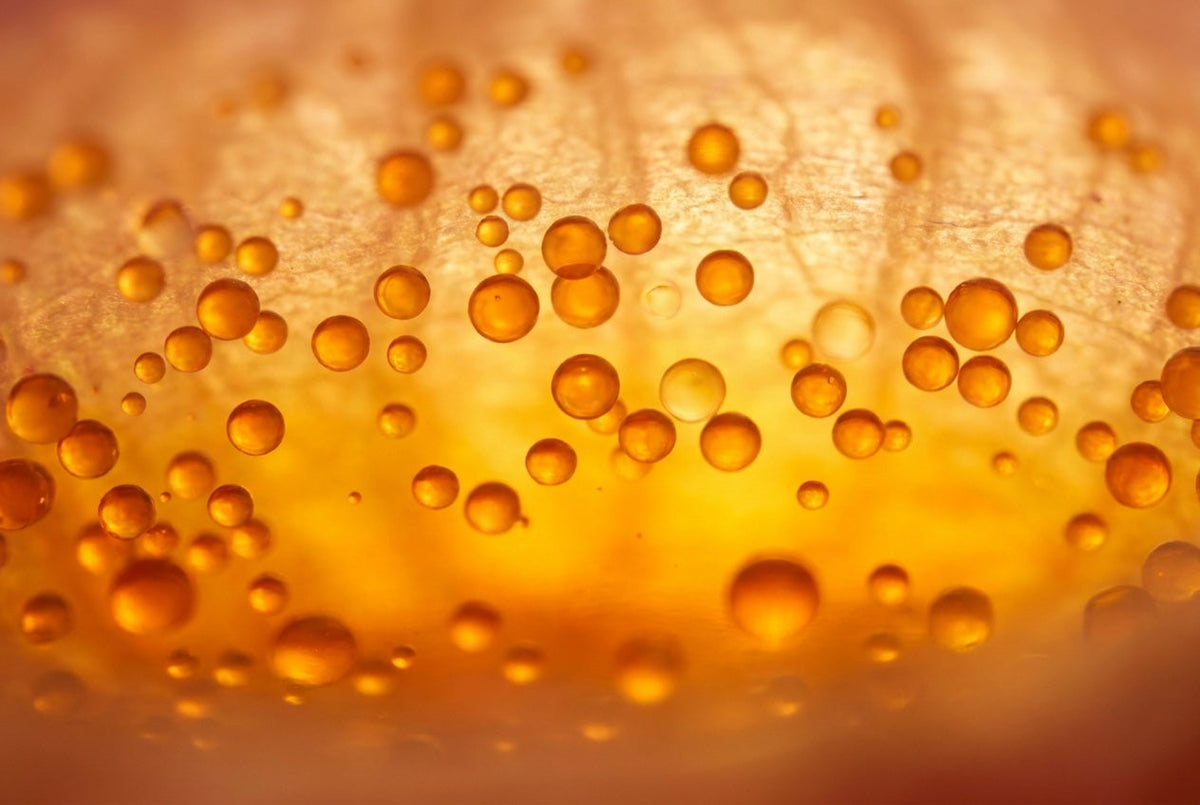
A supercritical CO2 extract of high-altitude sea buckthorn berries, rich in the rare Omega-7 fatty acid plus 190+ other bioactive compounds. It feeds the moist tissues that turn over fastest as you age, from skin to the surface of your eyes, and supports healthy blood lipids across the body.
- 190+ bioactive compounds, including rare Omega-7
- ⛰️ Tibetan plateau
Puredia SeaBerry®
Sea Buckthorn (Hippophae rhamnoides), supercritical CO2
- clinical dose
- ⛰️ Tibetan plateau
- 190+ bioactive compounds, including rare Omega-7
What it is
SeaBerry® is a whole-berry sea buckthorn (Hippophae rhamnoides) oil made by Puredia using supercritical CO2 extraction, a solvent-free method that pulls the oil out at low heat so the delicate fatty acids stay intact. The berries grow on the Tibetan plateau at around 4,500 meters, nearly three miles up. Thin air, cold, and intense ultraviolet light push the plant to make an unusually dense mix of more than 190 bioactive compounds. Among them is Omega-7 (palmitoleic acid), a monounsaturated fatty acid that is hard to get from everyday food.
How it works
Omega-7 and the other fatty acids in SeaBerry® are absorbed and built into the phospholipids that form the membranes around your cells. A crossover trial confirmed this uptake directly, showing serum phospholipid trans-palmitoleic acid rise by 26.6% after dosing, which means the body is actually folding the fatty acid into its circulating lipids rather than just passing it through. These membrane lipids help moist, fast-renewing tissues like skin and the eye surface stay supple and well-lubricated as their cells are replaced. The berry also delivers omegas 3, 6, and 9 alongside carotenoids, tocopherols, and polyphenols that work together to support how the body handles fats and oxidative stress.
For your cells
As cells turn over, the tissues that feel aging first are the moist, exposed ones: skin and the surface of the eyes. In a 3-month randomized trial of 100 people, 2 grams a day of sea buckthorn oil softened the cold-season rise in tear-film osmolarity and eased dry-eye symptoms like redness and burning. By feeding the membranes of these renewing cells, Omega-7 helps keep moisture-dependent tissues comfortable and well-fed through the aging process.
Beyond the basics
SeaBerry®'s reach goes well past skin and eyes. Two separate meta-analyses of human trials found sea buckthorn improves blood lipids, lowering total and LDL cholesterol and triglycerides while raising HDL, with the strongest effect in people whose lipid metabolism is already off balance. That points to whole-body support for how the cardiovascular system manages fats. The 190+ compound matrix of omegas, carotenoids, and antioxidants also nourishes tissues throughout the body that depend on a steady supply of healthy fats.
Features
- Supercritical CO2 extract, solvent-free and low-heat
- Rare Omega-7 (palmitoleic acid) plus omegas 3, 6 and 9
- 190+ bioactive compounds in one whole-berry oil
- Single best origin: Tibetan plateau, 4,500 m
- Made by Puredia at a clinical dose
- Absorption confirmed in circulating blood lipids
The clinical evidence
- RCT · 100 people · 3 months2 g/day of sea buckthorn oil softened the cold-season rise in tear-film osmolarity and reduced dry-eye symptoms like redness and burning.Larmo et al., 2010, Journal of Nutrition. PMID 20554904.
- Meta-analysis · 15 RCTsSea buckthorn lowered triglycerides, total and LDL cholesterol and raised HDL, with the clearest benefit in people with abnormal lipid metabolism.Geng et al., 2022, Phytotherapy Research. PMID 36043374.
- Meta-analysis · 11 RCTs · 900+ peopleSea buckthorn significantly improved blood lipids (lower total cholesterol and triacylglycerol, higher HDL) in people with hyperlipidemia, with no significant change in healthy individuals.Guo et al., 2017, Trends in Food Science & Technology. DOI 10.1016/j.tifs.2016.11.007.
- Crossover trial · 13 peopleA sea buckthorn Omega-7 dose raised serum phospholipid trans-palmitoleic acid by 26.6% at the highest dose, showing the body absorbs it into circulating lipids.Bashir et al., 2020, Journal of Nutrition. PMID 32140719.
- Inside Sirtmax®
-

KPMF Polymethoxyflavones
clinical dose
Pentamethoxyflavone & trimethoxyflavone
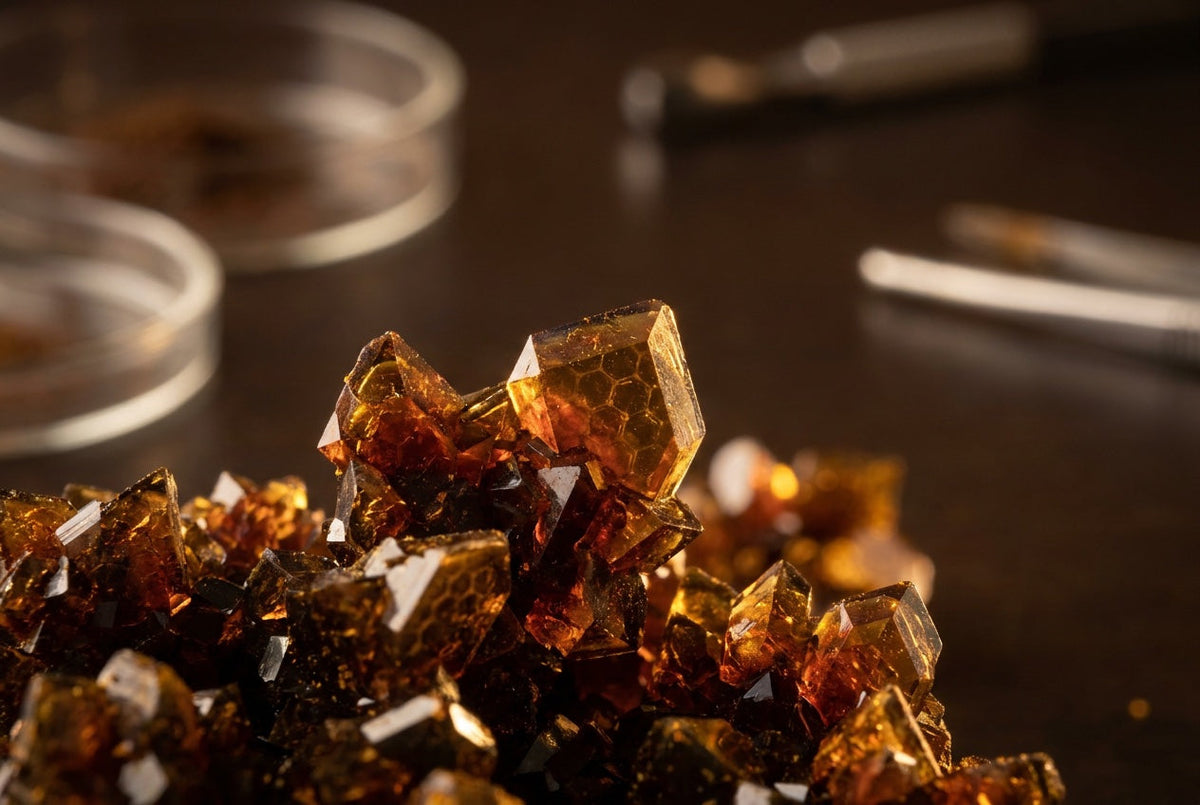
The rare flavones inside black turmeric that switch on SIRT1, one of the cell's master controls for healthy aging and energy use. KPMF gives your cells a cleaner signal to run their energy machinery and defend their own proteins, the way younger cells do naturally. It is the active part of Sirtmax® that makes black turmeric more than a spice.
- Activates SIRT1 4 to 5x more potently than resveratrol
- 🇯🇵 inside Sirtmax®
KPMF Polymethoxyflavones
Pentamethoxyflavone & trimethoxyflavone
- clinical dose
- 🇯🇵 inside Sirtmax®
- Activates SIRT1 4 to 5x more potently than resveratrol
What it is
KPMF stands for two uncommon flavonoids found naturally inside black turmeric (Kaempferia parviflora): pentamethoxyflavone (3,5,7,3',4'-pentamethoxyflavone) and trimethoxyflavone (5,7,4'-trimethoxyflavone). They are polymethoxyflavones, meaning each carries several methoxy groups that ordinary plant flavones lack. In LiveOn they arrive at a clinical dose inside Sirtmax®, a standardized black turmeric extract from Japan.
How it works
The extra methoxy groups on these flavones let them bind and activate SIRT1, a cell signal that helps decide how the body manages metabolism and stress as it ages. From SIRT1, the signal runs down the Sirt1, AMPK, PPAR-delta and PGC-1-alpha pathway, the same route the body uses to build mitochondria and burn energy efficiently. Alongside this, the flavones add direct antioxidant support and help limit glycation, the process where loose sugar binds to and stiffens your proteins. In testing, this anti-glycation activity ran about 7 times stronger than the reference drug.
For your cells
By raising the body's own antioxidant enzymes and lowering MDA, a marker of oxidative damage, KPMF helps your cells defend the energy machinery that aging tends to wear down. Activating SIRT1 and PGC-1-alpha is the cell's signal to make and maintain healthy mitochondria, which is where cellular energy and resilience come from. This is the core of what LiveOn is built to support: cells that keep running like younger ones.
Beyond the basics
Beyond the cell, the same pathway supports whole-body metabolism, and human trials point to real physical payoff. Older adults taking black ginger extract improved lower-body strength, walking distance, grip strength and work output, which speaks to muscle and stamina, not just lab markers. The antioxidant and anti-inflammatory support runs body-wide, helping the systems that age fastest hold their ground.
Features
- Two rare flavones: pentamethoxyflavone and trimethoxyflavone
- Activates SIRT1 4 to 5x more potently than resveratrol
- Works through the Sirt1 / AMPK / PGC-1-alpha energy pathway
- Anti-glycation activity ~7x the reference drug
- Standardized inside Sirtmax® black turmeric from Japan
- Backed by human RCTs at 30 to 90 mg/day
The clinical evidence
- Lab studyThe two major polymethoxyflavones, 3,5,7,3',4'-pentamethoxyflavone and 5,7,4'-trimethoxyflavone, activated SIRT1 4 to 5 times more potently than resveratrol, within an extract whose anti-glycation activity ran about 7x the reference drug.Nakata et al., 2014, Natural Product Communications. PMID 25918795.
- Review · mechanismIts methoxyflavones support metabolic regulation through the Sirt1/AMPK/PPAR-delta/PGC-1-alpha pathway, with antioxidant and anti-inflammatory effects.Chen et al., 2018, Evidence-Based Complementary and Alternative Medicine. PMC6311295.
- RCT · 45 older adults · 8 weeksAs the actives in K. parviflora, a 90 mg/day dose improved lower-body strength and 6-minute walk distance while raising antioxidant enzymes and lowering MDA.Wattanathorn et al., 2012, Evidence-Based Complementary and Alternative Medicine. PMID 22899957.
- Crossover RCT · 24 people · 4 weeksAs the polymethoxyflavones in black ginger, a 30 mg/day extract significantly improved grip strength, chair-stand reps, tandem-walk time and work output versus placebo.Toda, 2016, Integrative Molecular Medicine (non-PubMed-indexed).
- Inside SOD B Extramel®
-
Glutathione
The body's master antioxidant
Glutathione is the antioxidant your cells make and rely on most, which is why it is often called the master antioxidant. Inside LiveOn it travels in SOD B Extramel® melon concentrate to support the system your cells use to stay clean and resilient as you age. More of it on hand means your cells are better equipped to neutralize the daily oxidative stress that wears them down over time.
- The body's master antioxidant
- 🇫🇷 inside SOD B Extramel® melon concentrate
Glutathione
The body's master antioxidant
- 🇫🇷 inside SOD B Extramel® melon concentrate
- The body's master antioxidant
What it is
Glutathione is a small molecule your own cells build and keep on hand as a primary line of antioxidant defense. In LiveOn it is carried within the SOD B Extramel® melon concentrate, a patented extract drawn from a specific French Cantaloupe melon rich in protective enzymes.
How it works
Free radicals are unstable molecules that pull electrons from whatever is nearby, and that quiet damage adds up inside your cells over the years. Glutathione steps in and gives up an electron of its own, settling the free radical before it can harm cell parts like DNA and membranes. Just as useful, glutathione recharges other antioxidants such as vitamins C and E once they have been spent, so the whole defense system keeps working instead of running flat. It is recycled back to its active form again and again, which is why a steady supply matters.
For your cells
This is where glutathione earns its keep for cellular aging. By absorbing oxidative stress and keeping your other antioxidants charged and ready, it helps protect the inner machinery of each cell, from its DNA to its energy-producing parts, so cells can keep doing their jobs longer. Supporting your glutathione system is one of the most direct ways to support how well you age from the inside out.
Beyond the basics
Because every part of you is built from cells, well-defended cells show up across the whole body. Glutathione supports skin that stays clearer and more even, helps the liver carry out its everyday clean-up work, and backs steady immune function. It is one of the few antioxidants that matters everywhere at once.
Features
- Often called the body's master antioxidant
- Made and used by your own cells
- Recharges spent vitamins C and E
- Carried in SOD B Extramel® melon concentrate
- Supports skin, liver, and immune function
-

Coenzyme Q10
Ubiquinone
Coenzyme Q10 is the spark your cells use to turn food and oxygen into usable energy, and it doubles as a guard for the tiny power plants that make that energy. Your body produces it on its own, but the supply quietly drops as the years go on. LiveOn includes it to support the cellular energy and defense that aging slowly wears down.
- The spark inside your mitochondria
- 🇫🇷 inside SOD B Extramel® melon concentrate

Coenzyme Q10
Ubiquinone
- 🇫🇷 inside SOD B Extramel® melon concentrate
- The spark inside your mitochondria
What it is
Coenzyme Q10, also called ubiquinone, is a fat-soluble compound found in nearly every cell, concentrated in the parts that demand the most energy. In LiveOn it comes from SOD B Extramel®, a melon concentrate sourced from France that pairs CoQ10 with the antioxidant superoxide dismutase. It is one of the few molecules the body both makes itself and relies on every second.
How it works
Inside each cell sit the mitochondria, the small structures that convert food and oxygen into ATP, the fuel your body runs on. CoQ10 sits in the middle of that energy line, carrying electrons from one step to the next so the conversion can finish. While it works, it also acts as a fat-soluble antioxidant, soaking up the free radicals that energy production naturally throws off so they do not damage the very mitochondria making your fuel. Production of CoQ10 falls with age, so the same engines run with less of their key part.
For your cells
CoQ10 supports the two things your cells need most as they age: steady energy and protection at the source. By helping the mitochondria keep producing fuel and shielding them from the oxidative wear that comes with that work, it is designed to support the cellular vitality that quietly fades over time. This is the kind of inside-out support LiveOn is built around, the wear you cannot feel yet.
Beyond the basics
Because the heart, brain, and muscles are some of the most energy-hungry tissues in the body, they carry high concentrations of CoQ10 and lean on it constantly. Supporting your CoQ10 supply is a way of supporting the tissues that never get to rest. It also adds to the body's broader antioxidant defense, working alongside the other plant and cellular antioxidants in the formula.
Features
- Powers ATP, the fuel your cells run on
- Protects mitochondria from oxidative wear
- Naturally declines with age
- Concentrated in the heart, brain, and muscles
- Sourced from SOD B Extramel® melon concentrate (France)
-

Carotenoids
Beta-carotene
Carotenoids are the orange and yellow plant pigments that come naturally inside the melon concentrate at the heart of LiveOn. They act as fat-loving antioxidants, settling into the oily membranes that wrap every cell and neutralizing free radicals there. That is a frontline form of cellular protection, which is exactly the kind of daily defense slower aging asks for.
- Antioxidants that live in your cell membranes
- 🇫🇷 inside SOD B Extramel® melon concentrate

Carotenoids
Beta-carotene
- 🇫🇷 inside SOD B Extramel® melon concentrate
- Antioxidants that live in your cell membranes
What it is
Carotenoids are the fat-soluble pigments that give cantaloupe melon its warm color, led here by beta-carotene. They arrive naturally inside SOD B Extramel®, the patented French melon juice concentrate, so they ride alongside its signature SOD enzyme rather than being added on.
How it works
Free radicals are unstable molecules that pull electrons from whatever is nearby, and cell membranes, made of fat, are a favorite target. Beta-carotene and its fellow carotenoids are fat-loving, so they tuck into those same membranes and absorb the hit instead, quenching the radical before it can damage the structure around it. They also work hand in hand with the melon SOD enzyme, which clears a different type of radical inside the cell. Together they cover both the watery interior and the oily outer wall.
For your cells
Your cells age fastest where their fatty membranes get oxidized, because a damaged membrane leaks, signals poorly, and ages the cell from the outside in. Carotenoids are built to defend exactly that fatty layer, soaking up free radicals right where the membrane lives. Protecting the membrane helps each cell hold its shape and keep doing its job as the years add up.
Beyond the basics
Beyond the single cell, carotenoids support the tissues that show wear first. They help defend skin against everyday oxidative stress, support eye tissue that is rich in these same pigments, and back overall antioxidant balance that touches the heart and immune system. It is broad, gentle, food-derived protection rather than a single targeted push.
Features
- Fat-soluble antioxidants that protect cell membranes specifically
- Beta-carotene led, naturally present, never synthetically added
- Sourced from inside the patented SOD B Extramel® melon concentrate
- Pairs with the melon SOD enzyme to cover cell inside and out
- Food-derived pigments that also support skin and eye tissue
- Inside Enzogenol® pine bark
-

Proanthocyanidins (OPCs)
Oligomeric procyanidins
Proanthocyanidins, or OPCs, are the powerhouse antioxidants that make up over 80 percent of Enzogenol® pine bark. They mop up the free radicals that wear cells down over time, and they grip onto collagen to keep it intact. This is the heart of how LiveOn defends the way you age from the inside.
- Over 80% of pine bark
- 🇳🇿 inside Enzogenol® pine bark

Proanthocyanidins (OPCs)
Oligomeric procyanidins
- 🇳🇿 inside Enzogenol® pine bark
- Over 80% of pine bark
What it is
OPCs are oligomeric proanthocyanidins, a family of plant antioxidants built from chained-together flavonoid units. In LiveOn they come from Enzogenol®, a patented New Zealand pine bark extract where OPCs make up the large majority of the active content.
How it works
Free radicals are unstable molecules that steal electrons from healthy structures inside the cell, leaving damage behind. OPCs are electron-rich, so they hand over electrons freely and neutralize those radicals before they reach the cell. They also bind directly to collagen and elastin fibers, shielding that scaffolding from oxidative wear. On top of that, OPCs help recycle vitamin C and other antioxidants so the body's defenses stay topped up for longer.
For your cells
This is where LiveOn earns its name. By neutralizing free radicals and protecting the collagen scaffold inside and around your cells, OPCs help slow the oxidative wear that quietly ages you from the cellular level up. Less damage reaching your cells means the tissue they build stays resilient for longer.
Beyond the basics
Beyond the cell, OPCs support healthy blood vessels and circulation, helping the network that delivers oxygen and nutrients everywhere you need it. The same collagen protection shows up in firmer-feeling skin and connective tissue, and the antioxidant cover extends a steadying hand to the heart and brain.
Features
- Over 80% of Enzogenol® pine bark extract
- Binds and protects collagen from free-radical damage
- Neutralizes free radicals before they reach the cell
- Supports healthy blood vessels and circulation
- Helps recycle vitamin C and other antioxidants
-
Catechins
Catechin & epicatechin
Catechins are the flavan-3-ol antioxidants that give Enzogenol® pine bark much of its protective power. They help shield your cells from everyday oxidative wear, the kind of low-grade damage that quietly adds up as you age. In LiveOn, they are part of how the formula works to keep cells steadier over time.
- A core antioxidant in Enzogenol® pine bark
- 🇳🇿 inside Enzogenol® pine bark

Catechins
Catechin & epicatechin
- 🇳🇿 inside Enzogenol® pine bark
- A core antioxidant in Enzogenol® pine bark
What it is
Catechins are a family of plant antioxidants in the flavan-3-ol group, with catechin and epicatechin as the two best known members. In LiveOn they come from inside Enzogenol®, a patented extract of New Zealand pine bark that is naturally rich in these compounds.
How it works
Catechins carry spare electrons they can hand off to free radicals, the unstable molecules that pull cells out of balance. By neutralizing those radicals before they react with delicate cell parts, catechins lower the oxidative load a cell has to deal with each day. They also help support the body's own antioxidant defenses rather than acting alone. The result is calmer, better-protected cells.
For your cells
Inside the cell, catechins go after the free radicals that fray membranes, proteins, and DNA over the years. Less of that oxidative damage means cells hold their structure and do their jobs longer, which is the heart of how LiveOn supports the way you age from the inside. Protecting cells today is what keeps tomorrow's body running closer to its prime.
Beyond the basics
Beyond the cell, catechins help keep blood vessels relaxed and circulation flowing, so oxygen and nutrients reach the tissues that need them. That steady delivery supports the skin, heart, and brain, all of which depend on a healthy, well-fed blood supply.
Features
- Flavan-3-ol antioxidants from Enzogenol® pine bark
- Catechin and epicatechin, two well-studied forms
- Helps neutralize free radicals before they reach cells
- Supports healthy circulation and blood flow
- Works alongside the other antioxidants in LiveOn
-

Taxifolin
Dihydroquercetin
Taxifolin is a flavonoid antioxidant that helps your cells hold their ground against everyday free-radical wear. Inside LiveOn it quietly backs up the body's own defenses, the kind of support that matters most as cells age. It also looks after the tiny blood vessels that feed every tissue you have.
- A pine-bark flavonoid built for free-radical defense
- 🇳🇿 inside Enzogenol® pine bark
Taxifolin
Dihydroquercetin
- 🇳🇿 inside Enzogenol® pine bark
- A pine-bark flavonoid built for free-radical defense
What it is
Taxifolin, also called dihydroquercetin, is a naturally occurring flavonoid drawn from inside Enzogenol® pine bark. It sits in the same family as quercetin, which is why it shows up so often in antioxidant conversations. In LiveOn it is one of the active compounds carried within the patented pine-bark extract.
How it works
Taxifolin works by neutralizing reactive oxygen species, the unstable molecules that pull electrons from healthy structures and leave damage behind. It donates electrons to settle those molecules before they can react, and it helps recycle other antioxidants so your defense network keeps running. It also supports the collagen and elastin that give small blood vessels their strength and flexibility. Together this means less oxidative pressure reaching the parts of a cell that age the fastest.
For your cells
For your cells, taxifolin acts as a shield against oxidative stress, one of the core forces that drives how you age on the inside. By soaking up free radicals before they reach cell membranes, proteins, and DNA, it helps cells stay stable and functional for longer. That is exactly the quiet, day-after-day defense LiveOn is built around.
Beyond the basics
Beyond the cell, taxifolin is a known friend to your capillaries, the smallest vessels that deliver oxygen and nutrients everywhere. By supporting vessel-wall integrity and steady blood flow, it touches skin tone, circulation, and the resilience of tissues that depend on good delivery. Its antioxidant reach also extends to the broader free-radical load your whole body carries.
Features
- Flavonoid antioxidant, also known as dihydroquercetin
- Sourced from inside Enzogenol® pine bark
- Helps neutralize free radicals and ease oxidative stress
- Supports the strength of small capillaries and steady blood flow
- Works alongside the body's own antioxidant defenses
-
Flavonols
Quercetin & myricetin
Flavonols are a class of plant antioxidants, here quercetin and myricetin, drawn from Enzogenol® pine bark. They help your cells stand up to everyday oxidative wear and calm the low, simmering inflammation that quietly ages you from the inside. In LiveOn, they are part of how the formula defends the body you are made of, not just the body you move in.
- Two antioxidants from one pine
- 🇳🇿 inside Enzogenol® pine bark

Flavonols
Quercetin & myricetin
- 🇳🇿 inside Enzogenol® pine bark
- Two antioxidants from one pine
What it is
Flavonols are a family of plant pigments that double as antioxidants, and quercetin and myricetin are two of the most studied. In LiveOn they come from Enzogenol® pine bark, a New Zealand extract made by an exclusive pure-water process that pulls these delicate compounds out intact, without harsh solvents.
How it works
Oxidation is a daily fact of being alive. Every breath and every meal leaves behind unstable molecules called free radicals that nick away at your cells. Flavonols like quercetin and myricetin work by neutralizing those free radicals before they can damage proteins and membranes, and by easing the low-grade inflammation that tends to ride along with oxidative stress. They give your cells a steadier environment to do their work in.
For your cells
This is where flavonols earn their place in LiveOn. Free-radical damage is one of the quiet ways your cells age long before you feel it, and quercetin and myricetin are designed to help your body defend against exactly that. By mopping up free radicals and calming inflammation at the cellular level, they support the cells holding up over time, which is the whole point of the body you are made of.
Beyond the basics
Beyond the cell, the same antioxidant and anti-inflammatory action reaches the things that wear with age. Flavonols are studied for helping protect collagen from free-radical damage, which matters for skin and connective tissue, and for supporting healthy blood vessels, circulation, and a balanced immune response. It is whole-body upkeep from one well-sourced pine.
Features
- Quercetin and myricetin, two well-studied antioxidant flavonols
- From Enzogenol® pine bark, sourced in New Zealand
- Pure-water extracted, no harsh solvents, FDA GRAS
- Neutralizes free radicals and calms low-grade inflammation
- Helps protect collagen and supports cellular defense over time
-
Phenolic acids & stilbenes
Caffeic, ferulic acid & piceatannol
A set of small plant antioxidants found inside Enzogenol® pine bark, including caffeic acid, ferulic acid, and piceatannol, a stilbene that acts a lot like resveratrol. They help neutralize the everyday oxidation that wears your cells down, which is the core of how LiveOn supports healthy aging from the inside.
- Piceatannol, the resveratrol-like stilbene
- 🇳🇿 inside Enzogenol® pine bark

Phenolic acids & stilbenes
Caffeic, ferulic acid & piceatannol
- 🇳🇿 inside Enzogenol® pine bark
- Piceatannol, the resveratrol-like stilbene
What it is
These are some of the smaller, fast-acting antioxidant molecules carried inside the patented Enzogenol® pine bark extract. Two of them, caffeic acid and ferulic acid, are phenolic acids found across many plants. The third, piceatannol, is a stilbene in the same family as resveratrol, the compound made famous by red wine.
How it works
Free radicals are unstable molecules your body makes every day just by living and breathing, and left unchecked they chip away at your cells. These compounds donate an electron to settle those free radicals before they can do damage, which is what an antioxidant does. Because the molecules are small, they reach into places larger antioxidants cannot. Piceatannol also speaks the same biological language as resveratrol, nudging the same cell-protective pathways tied to healthy aging.
For your cells
Inside the cell, these antioxidants help shield the parts that age fastest, the membranes and the energy-making mitochondria, from oxidative wear. Piceatannol in particular touches the longevity-linked pathways your cells use to stay resilient over time. Calmer, better-protected cells are cells that hold their function as the years add up, which is exactly what LiveOn is built to support.
Beyond the basics
Beyond the cell, this antioxidant work shows up where you can feel it. Caffeic and ferulic acid are known for supporting skin and steadying the everyday oxidative stress that touches the heart and brain. Ferulic acid is so good at protecting against light and oxidation that skincare brands build serums around it.
Features
- Small, fast-acting antioxidant molecules from Enzogenol® pine bark
- Piceatannol is a natural relative of resveratrol
- Reaches cell areas larger antioxidants miss
- Ferulic acid is a known skin and light-protection antioxidant
- Touches the same cell-protective pathways tied to healthy aging
- Inside Puredia SeaBerry®
-

Omega-7
clinical dose
Palmitoleic acid
Omega-7 is palmitoleic acid, a fatty acid your body uses to build its own cell membranes and lipid layers yet almost never gets from food. Drawn from sea buckthorn grown on the Tibetan plateau, it slips into your circulating blood lipids and acts as a quiet signal between cells. A clinical-dose source fills an everyday gap that most diets leave wide open.
- +26.6% omega-7 in blood lipids (human crossover trial)
- ⛰️ inside Puredia SeaBerry®
Omega-7
Palmitoleic acid
- clinical dose
- ⛰️ inside Puredia SeaBerry®
- +26.6% omega-7 in blood lipids (human crossover trial)
What it is
Omega-7 is palmitoleic acid, a monounsaturated fatty acid that your body can make in small amounts but rarely takes in from food. Our source is the oil inside Puredia SeaBerry® sea buckthorn, a hardy berry grown on the Tibetan plateau where sea buckthorn is one of the few plants that thrives. It is one of the rare botanical sources naturally rich in this fatty acid, delivered at a clinical dose.
How it works
Once absorbed, palmitoleic acid travels through the bloodstream and gets built directly into your circulating lipids, the fats that line cell membranes and carry signals between cells. A human crossover trial confirmed this: a sea buckthorn omega-7 dose raised trans-palmitoleic acid in blood lipids by 26.6 percent at the highest dose, showing the body genuinely absorbs it and puts it to work. Because it becomes part of your own lipid layers rather than just passing through, it works as a structural building block and a lipid-signaling molecule at the same time. Most diets supply almost none, so a steady clinical-dose source keeps these pools topped up.
For your cells
As palmitoleic acid built into your circulating lipids, omega-7 supports the fatty membranes and lipid layers that every cell in the body relies on to stay flexible and to signal cleanly. Filling a gap your everyday diet almost never covers helps your cells keep their structure as the years add up, which sits at the heart of cellular aging.
Beyond the basics
Beyond the cellular level, omega-7 from sea buckthorn supports comfortable, well-lubricated tear films and eyes, especially through dry, cold seasons. It also plays a role in healthy lipid balance, with sea buckthorn supplementation linked to a more favorable cholesterol and triglyceride picture, most clearly in people whose lipids run high. Together these point to whole-body support for the membranes and mucous-membrane tissues your comfort depends on.
Features
- Rare omega-7 your everyday diet almost never delivers
- Palmitoleic acid your body builds cell membranes from
- Single best origin: sea buckthorn from the Tibetan plateau
- Sourced inside Puredia SeaBerry®
- Delivered at a clinical dose
- Human-trial proof it is absorbed and used
The clinical evidence
- Crossover trial · 13 peopleA sea buckthorn omega-7 dose raised trans-palmitoleic acid in blood lipids by 26.6% at the highest dose, showing the body actually absorbs and uses it.Bashir et al., 2020, Journal of Nutrition. PMID 32140719.
- RCT · 100 people · 3 monthsAs the rare fatty acid in sea buckthorn, 2 g/day of the oil eased the cold-season rise in tear-film osmolarity and reduced dry-eye symptoms.Larmo et al., 2010, Journal of Nutrition. PMID 20554904.
- Meta-analysis · 15 RCTsWithin sea buckthorn supplementation, it contributed to lower triglycerides, total and LDL cholesterol and higher HDL, concentrated in people with abnormal lipids.Geng et al., 2022, Phytotherapy Research. PMID 36043374.
-
Omega-3 (Alpha-linolenic acid)
Alpha-linolenic acid
Omega-3 ALA is an essential fat your cells use to build flexible, well-functioning membranes, the living skin around every cell. By keeping that membrane supple and supporting a healthy inflammatory response, it helps your cells stay resilient as the years add up. In LiveOn it comes naturally bound inside whole sea buckthorn oil.
- Essential fat for every cell membrane
- ⛰️ inside Puredia SeaBerry® sea buckthorn

Omega-3 (Alpha-linolenic acid)
Alpha-linolenic acid
- ⛰️ inside Puredia SeaBerry® sea buckthorn
- Essential fat for every cell membrane
What it is
Omega-3 is a family of essential fatty acids, fats your body cannot make on its own and has to take in. The specific one here is alpha-linolenic acid, or ALA, the plant-based omega-3. It comes from inside Puredia SeaBerry®, a sea buckthorn berry oil grown on the Tibetan plateau and one of the rare plant sources rich in all four omegas.
How it works
Every cell in your body is wrapped in a membrane built largely from fats, and the kind of fat you feed it changes how that wrapper behaves. Omega-3 ALA gets woven into these membranes and helps keep them fluid and flexible, so nutrients move in, waste moves out, and cells talk to each other cleanly. ALA also acts as a starting material the body can convert toward longer-chain omega-3s, and it helps support a balanced, healthy inflammatory response, the body's normal repair signaling, rather than letting it run hot in the background.
For your cells
As you age, cell membranes can grow stiff and inflammatory signaling can quietly stay switched on, both part of the wear that builds up before you ever feel it. Omega-3 ALA helps keep membranes supple and supports a calm, healthy inflammatory response, so your cells hold up and keep doing their work over time. This is the quiet, inside layer of aging that LiveOn is built to defend.
Beyond the basics
Beyond the cell, omega-3 fats are part of how the body supports a healthy heart, normal cholesterol already in range, and steady brain and eye function, since these tissues are especially rich in fatty acids. Sea buckthorn oil also carries omega-7 and other skin-loving fats alongside the omega-3, supporting skin moisture and a supple feel from the inside.
Features
- Essential fatty acid your body cannot make and must take in
- Built into cell membranes to keep them flexible and functioning
- Supports a balanced, healthy inflammatory response
- From Puredia SeaBerry® sea buckthorn, a rare whole-food source of all four omegas
- Part of how the body supports heart, brain, and skin
-

Omega-6 (Linoleic acid)
Linoleic acid
Omega-6 as linoleic acid is a fatty acid your body cannot make on its own, so it has to come from what you take in. Inside every cell it helps build the soft outer membrane that holds the cell together and lets it stay supple as you age. It also feeds the skin barrier that keeps moisture in and the outside world out.
- An essential fat your body cannot make
- ⛰️ inside Puredia SeaBerry® sea buckthorn

Omega-6 (Linoleic acid)
Linoleic acid
- ⛰️ inside Puredia SeaBerry® sea buckthorn
- An essential fat your body cannot make
What it is
Omega-6 here is linoleic acid, an essential fatty acid drawn from Puredia SeaBerry® sea buckthorn. Sea buckthorn is one of the rare plants that carries a balanced spread of fats, and linoleic acid is one of the key ones it brings.
How it works
Linoleic acid is a building block, not a passenger. Your body works it into the phospholipid layer that forms every cell membrane, giving each cell a flexible, well-sealed wall that can let nutrients in and keep waste moving out. In the skin it becomes part of the lipids that seal the outer barrier, so water stays in and irritants stay out. Because it is essential, a steady supply keeps these structures stocked rather than running short.
For your cells
Cell membranes are where a lot of aging shows up first, and they need the right fats to stay flexible and intact. Linoleic acid is a core ingredient in those membranes, helping each cell hold its shape, manage what crosses in and out, and keep talking to its neighbors. Keeping that fatty framework well supplied supports cells that stay resilient over time rather than stiff and leaky.
Beyond the basics
Beyond the cell, linoleic acid is a foundation fat for the skin barrier, helping skin stay soft, hydrated, and protected against moisture loss. The same fats support a healthy outer layer across the body, from skin to the linings that face the outside world. It rounds out the fatty acid profile that sea buckthorn brings, so your body has a fuller range of essential fats to draw on.
Features
- Essential fatty acid your body cannot produce on its own
- A core building block of every cell membrane
- Foundation fat for the skin barrier and moisture retention
- Sourced from Puredia SeaBerry® sea buckthorn
- Part of sea buckthorn's naturally balanced fat profile
-

Omega-9
Oleic acid
Omega-9, also called oleic acid, is a monounsaturated fat that helps keep your cell membranes soft and flexible, the kind of fluid border a young cell relies on to work well. As that outer layer stays supple, your cells hold their shape, pass nutrients in and out cleanly, and weather everyday stress better as you age.
- The fat that keeps cell walls supple
- ⛰️ inside Puredia SeaBerry® sea buckthorn
Omega-9
Oleic acid
- ⛰️ inside Puredia SeaBerry® sea buckthorn
- The fat that keeps cell walls supple
What it is
Omega-9 is oleic acid, the same monounsaturated fat that makes olive oil a staple of long-lived diets. In LiveOn it comes from inside Puredia SeaBerry® sea buckthorn, a fruit naturally rich in this fat alongside its omega-7 and antioxidant content.
How it works
Every cell is wrapped in a thin membrane built from fats, and the type of fat decides how soft or stiff that wall is. Oleic acid slots into the membrane and keeps it fluid rather than rigid, so the wall can flex, repair, and let signals and nutrients move through. Because your body can also make oleic acid, having a steady supply means cells spend less effort building it and more staying in good working order.
For your cells
A supple cell membrane is one of the quiet markers of a younger cell. By helping keep that outer layer fluid and well-built, Omega-9 supports how your cells hold their structure, manage what comes in and out, and stay resilient under the oxidative wear that adds up with age.
Beyond the basics
Beyond the single cell, oleic acid is best known as a heart-friendly fat that supports healthy cholesterol balance already in the normal range. It also helps your body absorb fat-soluble nutrients and contributes to skin that stays soft and well-conditioned, so the benefit shows up from the inside out.
Features
- Monounsaturated omega-9 fat, the oleic acid found in olive oil
- Sourced from inside Puredia SeaBerry® sea buckthorn
- Helps keep cell membranes soft and flexible
- Supports heart health and healthy cholesterol already in normal range
- Aids absorption of fat-soluble nutrients and conditions skin
-

Sea buckthorn vitamins
Vitamins A, E & K
A natural set of fat-soluble vitamins, A, E and K, carried inside the same Puredia SeaBerry® oil as the omegas. They protect cells from oxidation, help skin and soft tissues renew, and support the healthy structures your body rebuilds as it ages.
- Vitamins A, E and K, whole from the berry
- ⛰️ inside Puredia SeaBerry® sea buckthorn

Sea buckthorn vitamins
Vitamins A, E & K
- ⛰️ inside Puredia SeaBerry® sea buckthorn
- Vitamins A, E and K, whole from the berry
What it is
These are the fat-soluble vitamins that ride along inside Puredia SeaBerry® sea buckthorn oil: vitamin A (as carotenoids), vitamin E (as tocopherols and tocotrienols) and vitamin K. They are not added separately. The supercritical CO2 extraction pulls them out of the whole berry intact, so they arrive packaged in their natural oil alongside the omegas, the way the plant made them.
How it works
Because they dissolve in fat, these vitamins absorb best in an oil and settle into the fatty membranes around your cells. Vitamin E sits in those membranes and shields their fats from oxidation, taking the hit so the cell does not. Vitamin A supports the way skin and other surface tissues renew their cells, and vitamin K helps the body direct calcium toward bone and away from soft tissue. Delivered together in their natural oil, they work the way fat-soluble vitamins are meant to: built in, not just passed through.
For your cells
Inside the cell, vitamin E is one of the front-line guards of the fatty membrane, neutralizing the oxidation that quietly wears membranes down year after year. Paired with the carotenoid form of vitamin A, it helps the tissues that renew fastest, like skin, keep replacing their cells cleanly as you age. This is antioxidant defense built right into the membrane that holds each cell together.
Beyond the basics
Beyond the cell, these vitamins each carry their own everyday job. Vitamin A supports skin, the eye surface and a normal immune response, vitamin E backs whole-body antioxidant defense, and vitamin K helps keep calcium in bone where it belongs. Drawn from the whole berry rather than dosed one at a time, they round out what the omega oil already does for skin, eyes and healthy tissues.
Features
- Vitamins A, E and K, whole from the berry, not added separately
- Vitamin E as natural tocopherols and tocotrienols
- Vitamin A as plant carotenoids
- Carried in oil, the form fat-soluble vitamins absorb best in
- Sourced inside Puredia SeaBerry® sea buckthorn
-
Sea buckthorn carotenoids
Zeaxanthin, lycopene & flavonoids
The bright pigments that give sea buckthorn its deep orange color are antioxidants your cells can actually use. Zeaxanthin, lycopene, and the flavonoids quercetin and isorhamnetin help quiet the everyday oxidation that wears cells down, so the body you live in ages a little more gently.
- The color is the antioxidant
- ⛰️ inside Puredia SeaBerry® sea buckthorn
Sea buckthorn carotenoids
Zeaxanthin, lycopene & flavonoids
- ⛰️ inside Puredia SeaBerry® sea buckthorn
- The color is the antioxidant
What it is
Sea buckthorn carotenoids are the natural orange and red pigments found inside the berry, drawn from Puredia SeaBerry® whole-fruit extract. The blend pairs two carotenoids, zeaxanthin and lycopene, with two plant flavonoids, quercetin and isorhamnetin, so you get a small spectrum of antioxidants rather than a single isolated one.
How it works
Aging cells take constant hits from free radicals, the unstable molecules left over from normal living that nick fats, proteins, and DNA over time. Carotenoids like zeaxanthin and lycopene slip into the fatty parts of your cells and neutralize those radicals before they pile up. The flavonoids quercetin and isorhamnetin work alongside them in the watery parts of the cell, so the two kinds of antioxidant cover different ground and support each other instead of overlapping.
For your cells
This is the part that matters most for how you age on the inside. By soaking up free radicals across both the oily and watery sides of a cell, these pigments help protect the membranes, proteins, and DNA that keep cells working as the years add up. Less oxidative wear means cells hold their function longer, which is the quiet groundwork of staying able rather than just getting older.
Beyond the basics
Beyond the cell, these pigments touch the places that show aging first. Zeaxanthin is one of the antioxidants that concentrates in the eye, lycopene is a familiar friend to the heart and skin, and the flavonoids lend everyday support to a calm, balanced response throughout the body. Together they help the skin, eyes, and circulation feel the benefit of antioxidant care.
Features
- Whole-fruit pigments from Puredia SeaBerry® sea buckthorn
- Two carotenoids, zeaxanthin and lycopene, plus two flavonoids
- Antioxidants that cover both the oily and watery sides of a cell
- Zeaxanthin is one of the antioxidants the eye naturally stores
- A small spectrum, not a single isolated pigment
- Supporting antioxidants
-

Resveratrol
clinical dose
from Giant Knotweed (Polygonum cuspidatum)
Resveratrol is the polyphenol that switches on SIRT1, one of your cells' core longevity pathways for staying efficient as the years add up. It also defends the joint, calming the sugar-driven damage (glycation) that degrades cartilage collagen so the matrix stays intact and resilient.
- Activates SIRT1, the cellular longevity pathway
Resveratrol
from Giant Knotweed (Polygonum cuspidatum)
- clinical dose
- Activates SIRT1, the cellular longevity pathway
What it is
Resveratrol is a plant polyphenol, a natural defense compound certain plants make under stress. LiveOn draws it from Giant Knotweed (Polygonum cuspidatum), the richest and most reliable botanical source of trans-resveratrol, which is the active form your body uses. It is one of the most studied longevity compounds in nutrition science.
How it works
Resveratrol's signature move is activating SIRT1, an enzyme in the sirtuin family that your cells rely on to run their metabolic and repair programs efficiently as they age. SIRT1 helps regulate energy use, mitochondrial function, and the stress responses that keep cells working well over time. Resveratrol also acts as a polyphenol antioxidant, lowering oxidative stress, and it supports healthy insulin signaling, which is the pathway cells use to take in and manage blood sugar. In the joint, it interferes with glycation, the process where stray sugar latches onto collagen and sets off cartilage-degrading enzymes.
For your cells
In cartilage, sugar can bind to type II collagen and form advanced glycation end products (AGEs) that trigger MMP-13, an enzyme that breaks the matrix down. In lab studies on AGE-stimulated cartilage cells and tissue, resveratrol suppressed that MMP-13 surge and prevented the sugar-driven destruction of type II collagen, helping the cartilage matrix stay intact and resilient.
Beyond the basics
Beyond the joint, resveratrol's benefits reach across the body. In human trials it has improved glucose control and insulin sensitivity, lowered a marker of oxidative stress, and improved how the inner lining of blood vessels relaxes and dilates, a key measure of vascular health. Paired with its SIRT1 activation, this makes resveratrol a whole-body longevity ally for metabolic and cardiovascular wellness.
Features
- From Giant Knotweed, the richest natural source of resveratrol
- Activates SIRT1, a core cellular longevity pathway
- Shields cartilage collagen from glycation damage
- Plant polyphenol with antioxidant action
- Human-trial support for glucose control and vascular function
- Trans-resveratrol, the body's active form
The clinical evidence
- Preclinical · lab studyIn AGE-stimulated cartilage cells and explants, resveratrol suppressed AGE-induced MMP-13 and prevented sugar-driven destruction of type II collagen, protecting the cartilage matrix from glycation.Liu et al., 2010, Arthritis Research & Therapy. PMID 20825639.
- RCT · type 2 diabetes · 4 weeks10 mg/day lowered insulin resistance (HOMA-IR) and a urinary marker of oxidative stress while raising the platelet pAkt:Akt ratio, indicating activation of insulin signaling.Brasnyo et al., 2011, British Journal of Nutrition. PMID 21385509.
- Meta-analysis · 28 RCTsIn people with metabolic syndrome, resveratrol significantly improved endothelial function (flow-mediated dilation), though it did not significantly change blood pressure.Akbari et al., 2019, High Blood Pressure & Cardiovascular Prevention. PMID 31264084.
- Meta-analysis · 9 RCTs · 283 peopleIn type 2 diabetes, resveratrol significantly improved glucose control, lowering fasting plasma glucose and improving fasting insulin.Zhu et al., 2017, Nutrition & Metabolism. PMID 28924617.
-

Grape Seed Extract
clinical dose
Proanthocyanidins (OPCs)
Grape seed extract is one of the richest natural sources of proanthocyanidins (OPCs), a family of tightly bound plant antioxidants that raise your body's overall antioxidant capacity and help neutralize the free radicals that wear cells down over time. It defends the collagen in your skin and connective tissue, and supports healthy blood vessels and circulation so oxygen and nutrients keep reaching every cell.
- Slows MMP-1, the enzyme that breaks down skin collagen

Grape Seed Extract
Proanthocyanidins (OPCs)
- clinical dose
- Slows MMP-1, the enzyme that breaks down skin collagen
What it is
Grape seed extract is concentrated from the seeds of the wine grape (Vitis vinifera). Its active compounds are proanthocyanidins, also called OPCs, which are oligomeric chains of flavanols like catechin and epicatechin. These are the same antioxidant building blocks found in the seed, delivered at a standardized clinical dose so each serving carries a consistent, meaningful amount of OPCs.
How it works
OPCs work as free-radical scavengers. They donate electrons to reactive oxygen species before those molecules can damage cell membranes, proteins, and DNA, which raises the body's total antioxidant capacity and lowers measured markers of oxidative stress. In the bloodstream they help protect circulating lipids from oxidation, and in the vessel wall they support nitric oxide signaling, which helps arteries relax and stay flexible. At the tissue level, grape-derived flavanols directly inhibit MMP-1, the collagenase enzyme that cleaves and degrades collagen, so less of your existing collagen scaffold gets broken down.
For your cells
Cellular aging is largely a story of oxidative wear and the slow breakdown of the structural proteins that hold tissue together. By raising antioxidant capacity and quieting oxidative stress, OPCs help shield cells from that day-to-day damage. And because they slow MMP-1, the very enzyme that degrades collagen, grape seed extract helps preserve the collagen network in skin and connective tissue that tends to thin and weaken with age.
Beyond the basics
Beyond protecting collagen, grape seed extract supports cardiovascular health: human trials show it can lower blood pressure and improve markers of arterial stiffness, helping keep vessels supple and circulation strong. It also blunts the surge of oxidative stress that follows a meal, and improves broader markers of oxidative stress and inflammation, so the antioxidant benefit reaches the whole body rather than any single tissue.
Features
- Standardized to proanthocyanidins (OPCs)
- Concentrated from Vitis vinifera grape seeds
- Backed by human RCTs and meta-analyses
- Directly inhibits the collagen-degrading enzyme MMP-1
- Supports healthy blood pressure and arterial flexibility
- Raises total antioxidant capacity, lowers oxidative stress
The clinical evidence
- Meta-analysis · 16 RCTs · 810 peopleGrape seed extract significantly lowered systolic blood pressure by about 6 mm Hg and diastolic by about 2.8 mm Hg, with the largest effect in younger, obese, or metabolically impaired subjects.Zhang et al., 2016, Medicine. PMID 27537554.
- RCT · 30 people · 12 weeks400 mg/day of grape seed proanthocyanidin lowered systolic blood pressure by about 13 mm Hg and improved arterial stiffness markers.Odai et al., 2019, Nutrients. PMID 31757033.
- Postprandial trial · 8 people300 mg of grape seed proanthocyanidins taken with a meal prevented the post-meal rise in plasma lipid hydroperoxides, blunting postprandial oxidative stress.Natella et al., 2002, Journal of Agricultural and Food Chemistry. PMID 12475295.
- Meta-analysis · controlled trialsGrape seed extract significantly improved markers of oxidative stress and inflammation versus control, supporting its antioxidant activity in humans.Foshati et al., 2021, International Journal of Clinical Practice. DOI 10.1111/ijcp.14469.
- Preclinical · enzyme assayGrape-derived flavanols inhibited human MMP-1, the collagenase that degrades skin collagen, with proanthocyanidin B2 cutting activity by about 43% and epicatechin by about 69%, suggesting OPCs help protect collagen.Lee et al., 2020, Biomolecules. PMID 32998374.
-

Green Tea Catechins
clinical dose
EGCG catechins
Green tea catechins, led by EGCG, raise your body's total antioxidant defenses and help neutralize the reactive molecules behind oxidative stress and cellular aging. They also quiet the sugar-protein damage (AGEs) that quietly degrades collagen and tissue over time. One clinically studied family of plant antioxidants working at the cellular level.
- 16 RCTs, 760 people: higher antioxidant capacity, lower oxidative stress
Green Tea Catechins
EGCG catechins
- clinical dose
- 16 RCTs, 760 people: higher antioxidant capacity, lower oxidative stress
What it is
Green tea catechins are a family of plant antioxidants found naturally in the leaves of Camellia sinensis. The most studied member is EGCG (epigallocatechin gallate), the compound responsible for most of green tea's measured antioxidant activity. LiveOn uses a clinical dose, the amount shown to move antioxidant and oxidative-stress markers in human trials.
How it works
Catechins work on two fronts at the cellular level. First, they raise the body's total antioxidant capacity and help mop up reactive oxygen molecules, which in human trials shows up as a measurable drop in MDA, a marker of oxidative damage to fats. Second, EGCG targets AGEs, the sticky sugar-protein compounds that accumulate with age and drive aging in tissue. In human cells, EGCG blocks the AGE-triggered MAPK and NF-kB signaling pathways, switching off the downstream inflammatory and tissue-degrading enzymes those pathways turn on. It also raises the cell's own antioxidant enzymes, including superoxide dismutase, strengthening internal defenses against AGE-driven damage.
For your cells
For cellular aging, EGCG's strength is calming the AGE pathway that wears tissue down over time. In human cartilage cells, EGCG dose-dependently suppressed the AGE-triggered signals (TNF-alpha and MMP-13) that break down the collagen scaffold, by blocking MAPK and NF-kB. By quieting those signals and raising antioxidant defenses, catechins help protect the structural collagen that keeps tissue resilient as you age.
Beyond the basics
Beyond cellular protection, green tea catechins support heart and metabolic health. Across 13 RCTs in over 1,300 people, green tea modestly lowered both systolic and diastolic blood pressure. Paired with caffeine, catechins also produced small reductions in body weight, BMI and waist circumference. EGCG's protection against AGE-driven cell damage has been shown in human kidney cells too, where it reduced cell death and raised antioxidant enzymes, pointing to a whole-body antioxidant benefit.
Features
- EGCG-led catechins, the most studied green tea antioxidant
- Clinical dose matched to human-trial amounts
- Raises total antioxidant capacity, lowers the MDA oxidative-stress marker
- Quiets AGE-driven cell signals via MAPK and NF-kB blockade
- Supports healthy blood pressure and metabolic markers
- Protects the collagen scaffold against sugar-protein damage
The clinical evidence
- Meta-analysis · 16 RCTs · 760 peopleGreen tea supplementation significantly raised total antioxidant capacity and showed a dose-dependent drop in the oxidative-stress marker MDA.Rasaei et al., 2021, Antioxidants. PMID 34829602.
- Lab study · human cartilage cellsEGCG dose-dependently suppressed AGE-triggered inflammatory and collagen-degrading signals (TNF-alpha and MMP-13) by blocking MAPK and NF-kB signaling.Rasheed et al., 2009, Arthritis Research & Therapy. PMID 19445683.
- Meta-analysis · 13 RCTs · 1,367 peopleGreen tea consumption significantly lowered systolic blood pressure by about 1.98 mm Hg and diastolic by about 1.92 mm Hg versus control.Khalesi et al., 2014, European Journal of Nutrition. PMID 24861099.
- Meta-analysis · 15 trialsGreen tea catechins with caffeine modestly reduced body weight, BMI and waist circumference; catechins without caffeine showed no significant anthropometric benefit.Phung et al., 2010, American Journal of Clinical Nutrition. PMID 19906797.
- Lab study · AGEs / renal cellsEGCG attenuated AGE-induced cell death and NF-kB activation in human kidney and mesangial cells and raised superoxide dismutase, supporting protection against AGE-driven damage.Liang et al., 2010, Diabetes/Metabolism Research and Reviews. DOI 10.1002/dmrr.1100.
-
Vitamin C
Ascorbic Acid
A water-soluble antioxidant your body cannot make or store, vitamin C neutralizes free radicals and is the essential cofactor your body needs to build collagen. It also recharges other antioxidants so they can keep protecting your cells.
- Essential for collagen synthesis

Vitamin C
Ascorbic Acid
- Essential for collagen synthesis
What it is
Vitamin C, or ascorbic acid, is a water-soluble vitamin your body cannot produce or store, so it has to come from what you take in every day. In LiveOn it works as a frontline antioxidant and as a required cofactor for the enzymes that build collagen.
How it works
Vitamin C donates electrons to neutralize free radicals before they damage cell membranes, proteins and DNA, then helps regenerate other antioxidants like vitamin E after they have been spent. It is also a required cofactor for prolyl and lysyl hydroxylase, the enzymes that lock the collagen triple helix into shape, which is why the body cannot build collagen properly without it.
For your cells
Because LiveOn works at the cellular level, vitamin C matters as a frontline antioxidant in and around your cells, shielding them from the oxidative wear that drives aging, while keeping your body able to build the collagen scaffolding that tissues are made of.
Beyond the basics
Beyond the cell, vitamin C supports immune defense, helps your body absorb iron, and is essential for healthy skin, blood vessels and connective tissue throughout the body.
Features
- Secondary antioxidant
- Essential cofactor for collagen synthesis
- Recharges other antioxidants like vitamin E
- Supports immune function
- Water-soluble, needed every day
-

Curcumin
Curcumin (Curcuma longa)
Curcumin is the golden compound in everyday turmeric, a well-studied antioxidant and anti-inflammatory. LiveOn lists it separately from the black-turmeric Sirtmax®, adding a second front of inflammation control to protect cells as they age.
- Calms everyday inflammation

Curcumin
Curcumin (Curcuma longa)
- Calms everyday inflammation
What it is
Curcumin is the bright yellow polyphenol in common turmeric root, Curcuma longa. It is listed in LiveOn separately from the black-turmeric Sirtmax®, bringing the classic, heavily researched curcumin with its own antioxidant and anti-inflammatory activity.
How it works
Curcumin calms inflammation by blocking signals such as NF-kB and the COX-2 enzyme, the same pathway common anti-inflammatory drugs act on, and it scavenges free radicals directly. By quieting the low background inflammation tied to aging, it helps protect cells and proteins from everyday wear.
For your cells
At the cellular level, curcumin's anti-inflammatory and antioxidant action helps shield cells and proteins from the slow, low-grade inflammation that speeds up aging.
Beyond the basics
Curcumin's benefits reach the whole body, supporting joint comfort, a healthy inflammatory response, and antioxidant defense across tissues.
Features
- From yellow turmeric (Curcuma longa)
- Distinct from the black-turmeric Sirtmax®
- Acts on NF-kB and COX-2
- Classic anti-inflammatory polyphenol
- Antioxidant
The clinical evidence
- Meta-analysis · 15 RCTs · 1,670 peopleCurcuminoids beat placebo on pain and function and matched anti-inflammatory drugs without raising side effects.Feng et al., 2022, BMC Complementary Medicine and Therapies. PMID 36261810.
-
Aloe Vera
Aloe barbadensis
Aloe vera is a soothing plant extract rich in water-holding polysaccharides, vitamins and minerals. In LiveOn it supports skin hydration and digestive comfort, two systems that show their age early.
- Soothing skin + gut support

Aloe Vera
Aloe barbadensis
- Soothing skin + gut support
What it is
Aloe vera is the gel-rich extract of the Aloe barbadensis plant, used for centuries for soothing and hydration. It carries polysaccharides such as acemannan, along with vitamins, minerals and enzymes.
How it works
Aloe's polysaccharides hold water and form a soothing layer that supports hydration in the skin and the lining of the gut. Its vitamins, minerals and antioxidant compounds add to the body's defense against everyday irritation and oxidative stress.
For your cells
Aloe supports the moist tissues and barriers your cells rely on, helping skin and the gut lining stay hydrated and comfortable as cells turn over with age.
Beyond the basics
Beyond hydration, aloe vera is well known for soothing digestive comfort and supporting healthy, supple skin across the body.
Features
- From Aloe barbadensis
- Rich in soothing polysaccharides
- Supports skin hydration
- Supports digestive comfort
- Carries vitamins and minerals
-

Acai Berry
Euterpe oleracea
Acai is a deep-purple Amazonian berry with one of the highest antioxidant capacities of any fruit. In LiveOn it adds broad free-radical defense to slow the oxidative damage behind visible aging.
- One of the highest ORAC antioxidant scores
Acai Berry
Euterpe oleracea
- One of the highest ORAC antioxidant scores
What it is
Acai is the dark-purple berry of the Amazonian Euterpe oleracea palm, prized for a very high ORAC value, a measure of antioxidant capacity. Its deep color comes from anthocyanins, powerful plant antioxidants.
How it works
Acai's anthocyanins and polyphenols neutralize reactive free radicals, the unstable molecules that damage cells and proteins over time. A high ORAC value means a large capacity to absorb and quench those radicals, lowering the oxidative load that drives signs of aging.
For your cells
At the cellular level, acai's strong antioxidant capacity helps protect cells from the oxidative damage that builds up with age and shows up on the surface as visible aging.
Beyond the basics
Acai's antioxidants support whole-body defense against oxidative stress, and the berry also brings healthy fats and fiber.
Features
- From the Amazonian acai palm
- Very high ORAC antioxidant value
- Rich in anthocyanins
- Broad free-radical defense
- Also provides healthy fats


This is the whole list. Nothing hiding in a blend.
Real actives, single best origins, real doses, real studies, made simple enough to drink at breakfast.
Aging Never Gets Old.
Neither does saying yes.
Shop MoveOn and LiveOn